Trollhättefallen

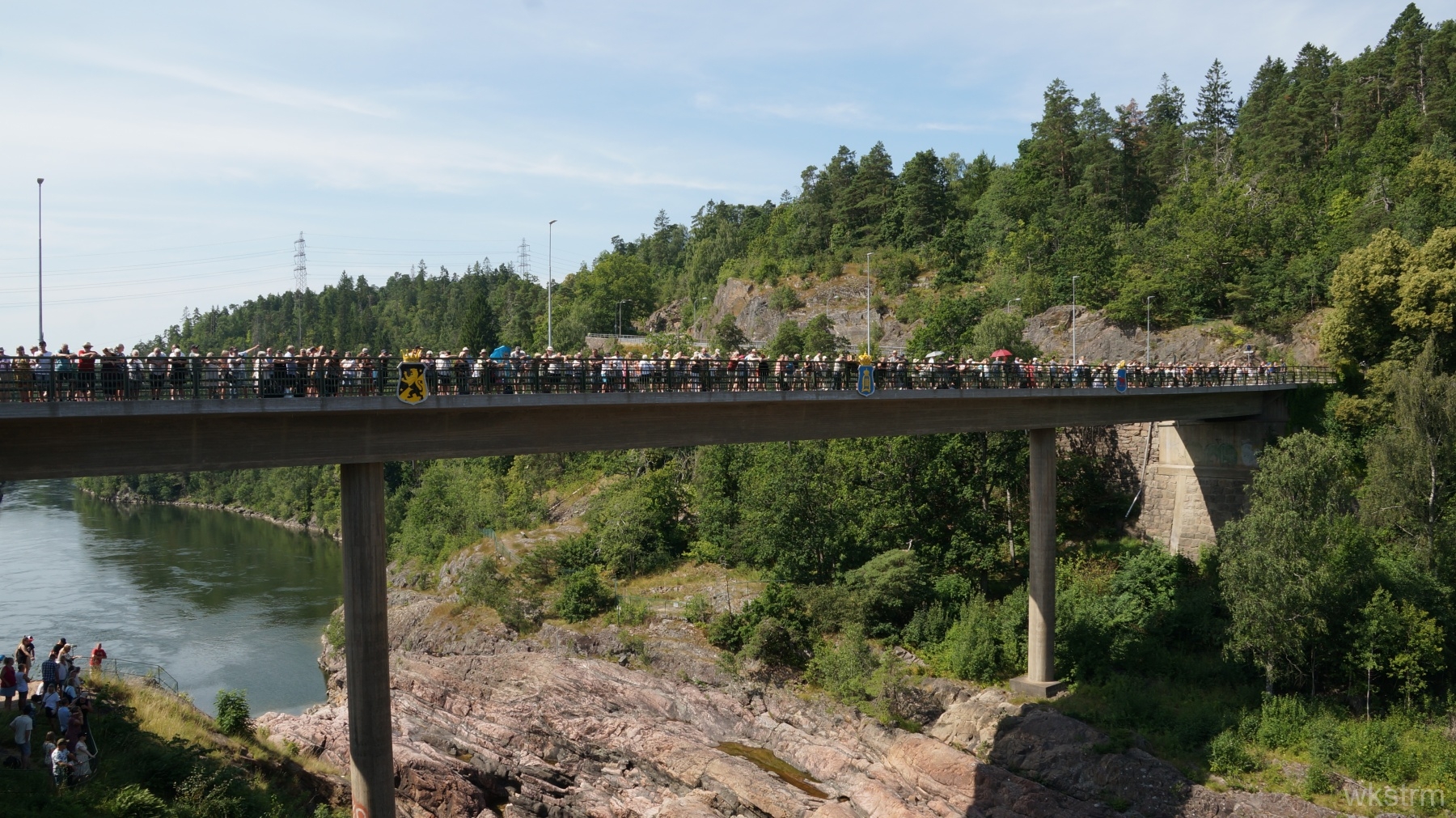
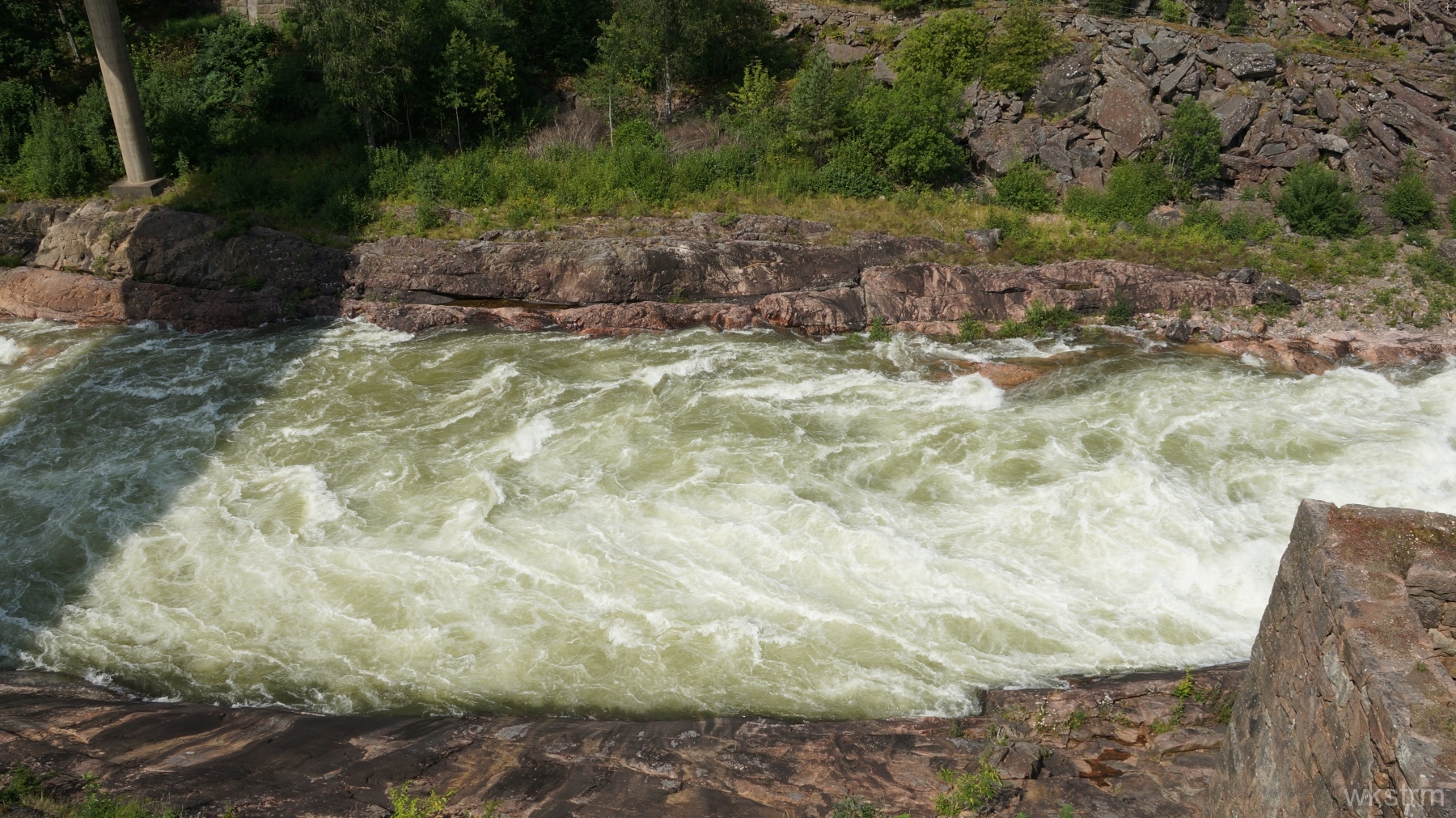
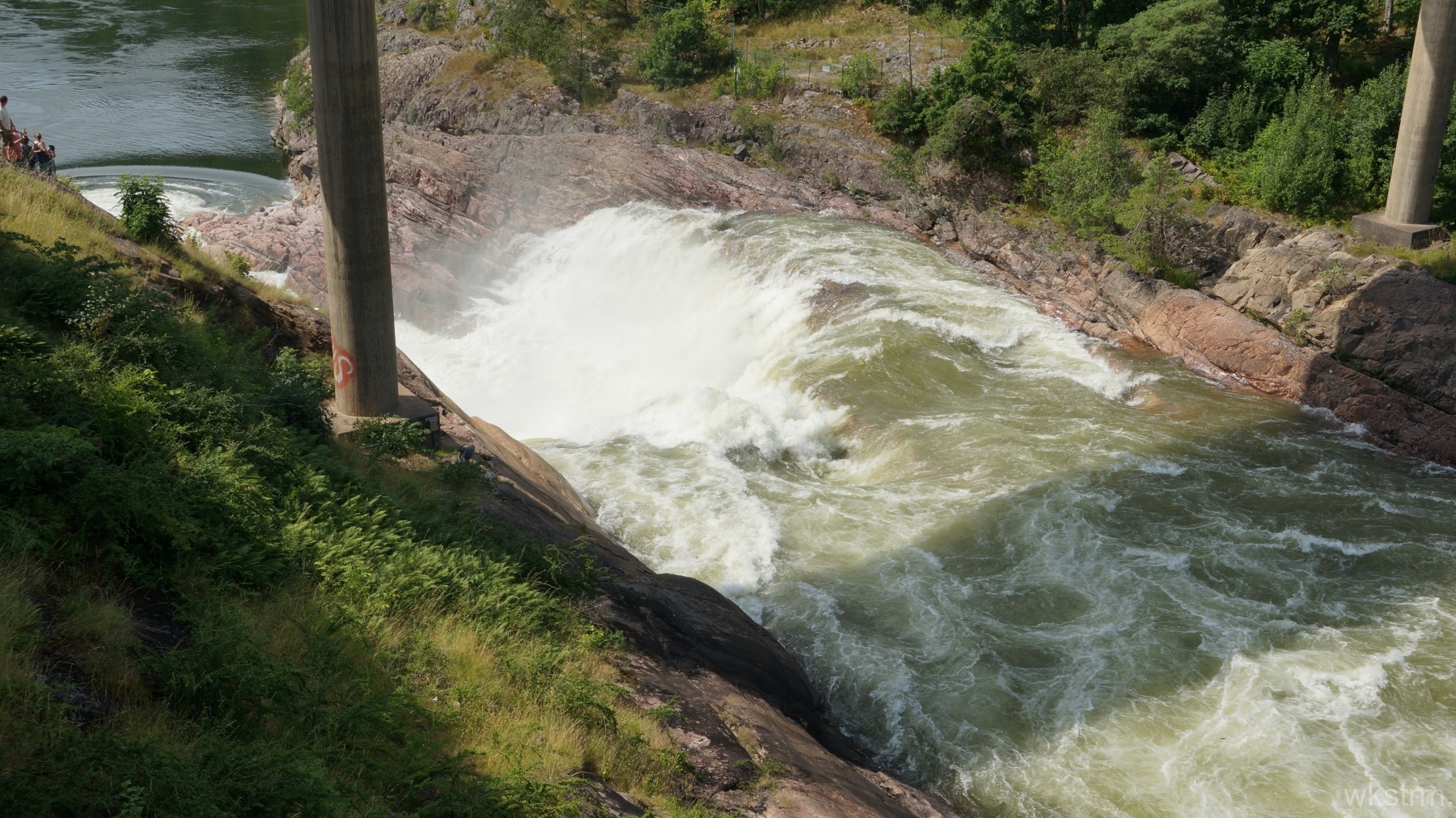
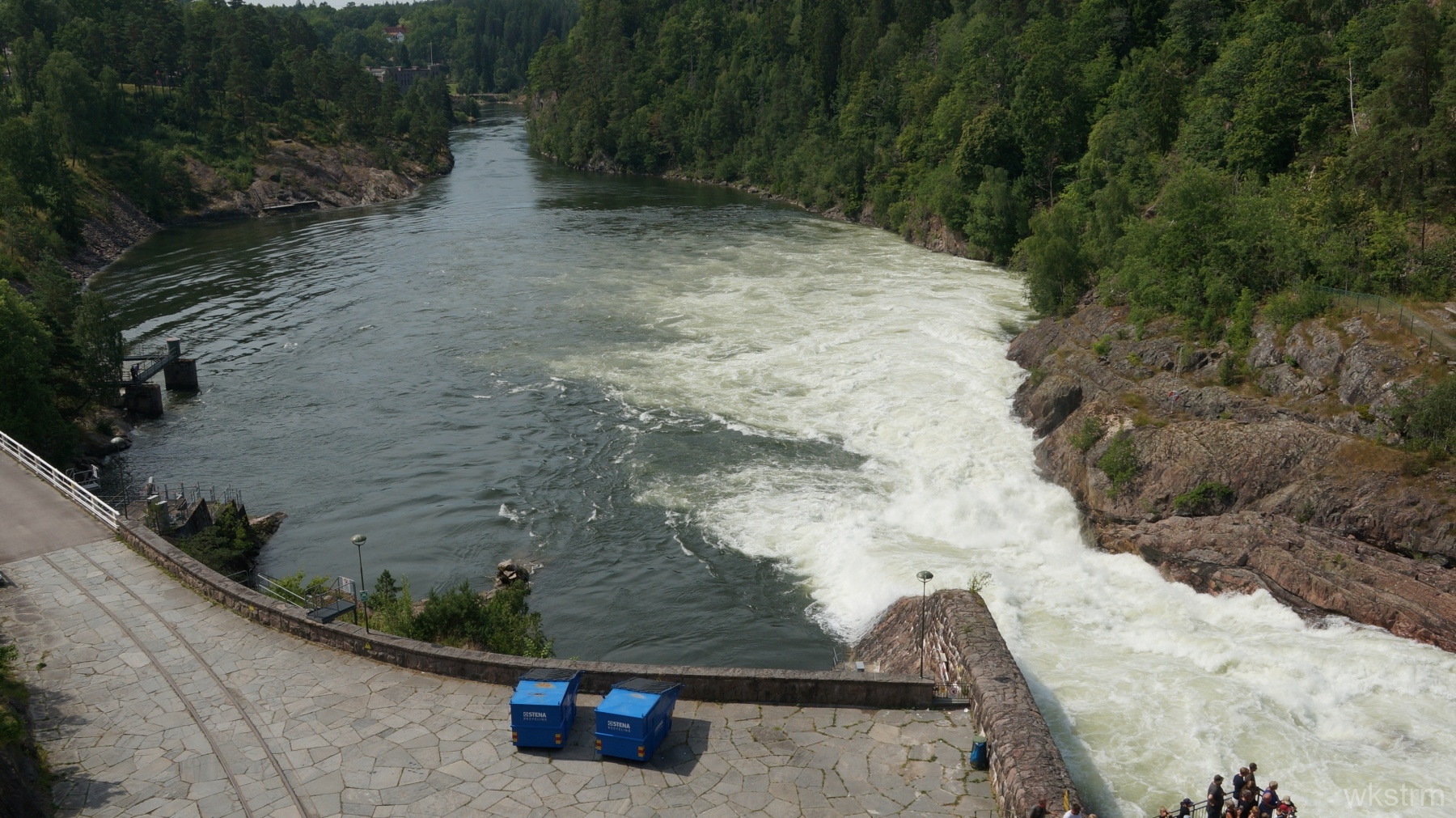
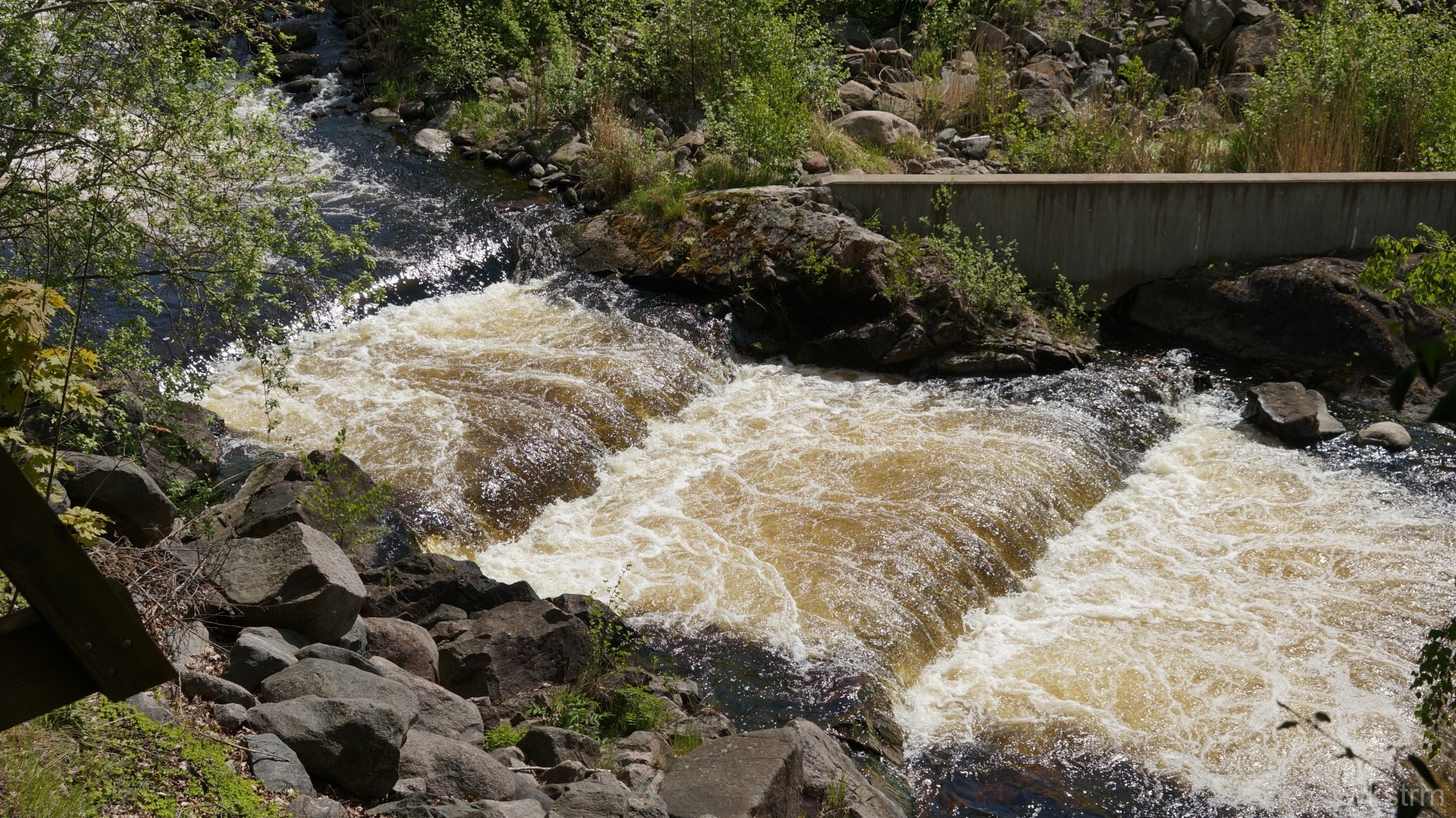
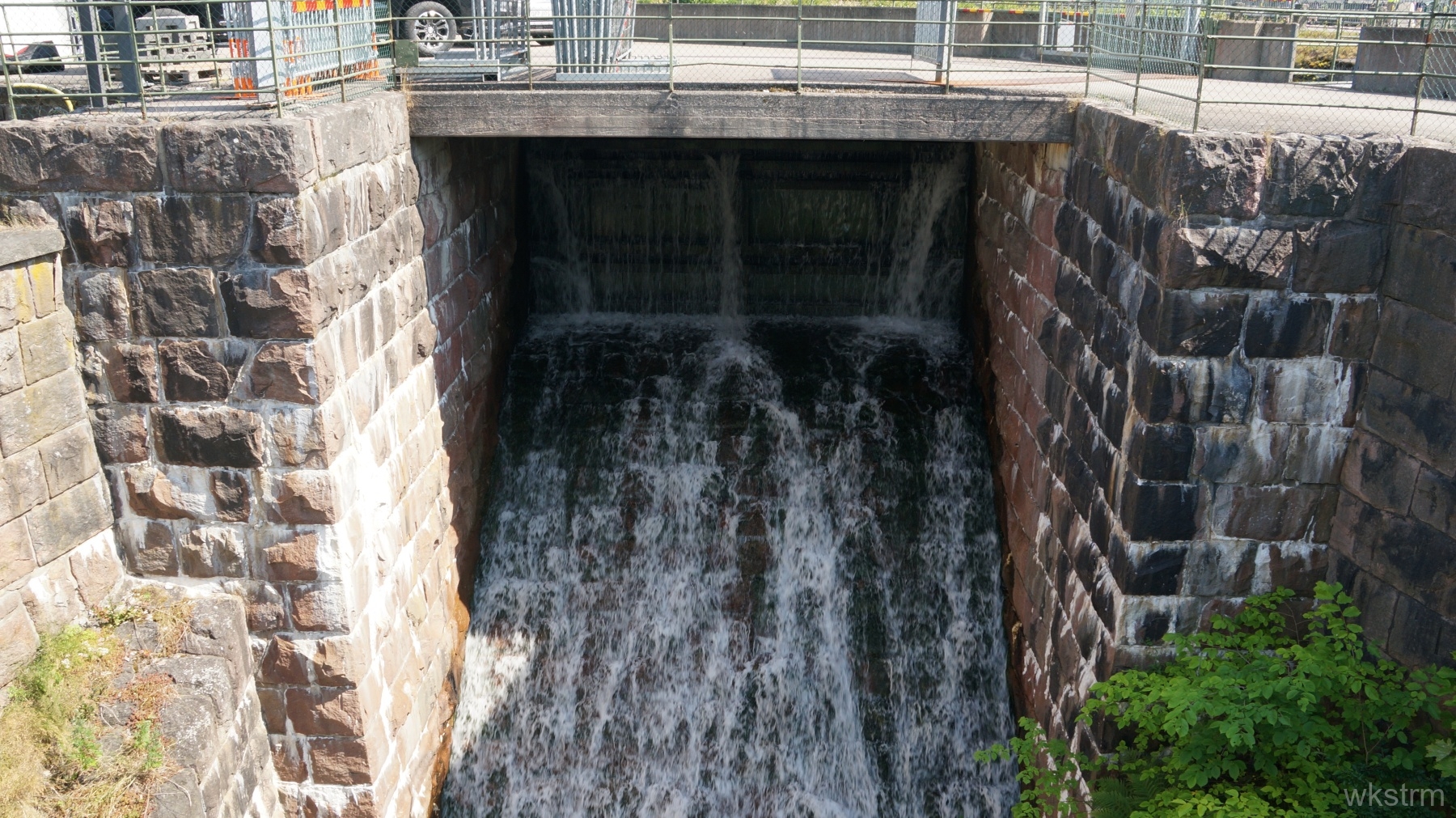
Every year there is this city festival in Trollhättan called Fallens Dagar. And usually they open the flood gates to let out about 300.000 cubic meters of water per minute as a show from the hydro dam. Rushing water has always fascinated people so it makes for a good show.

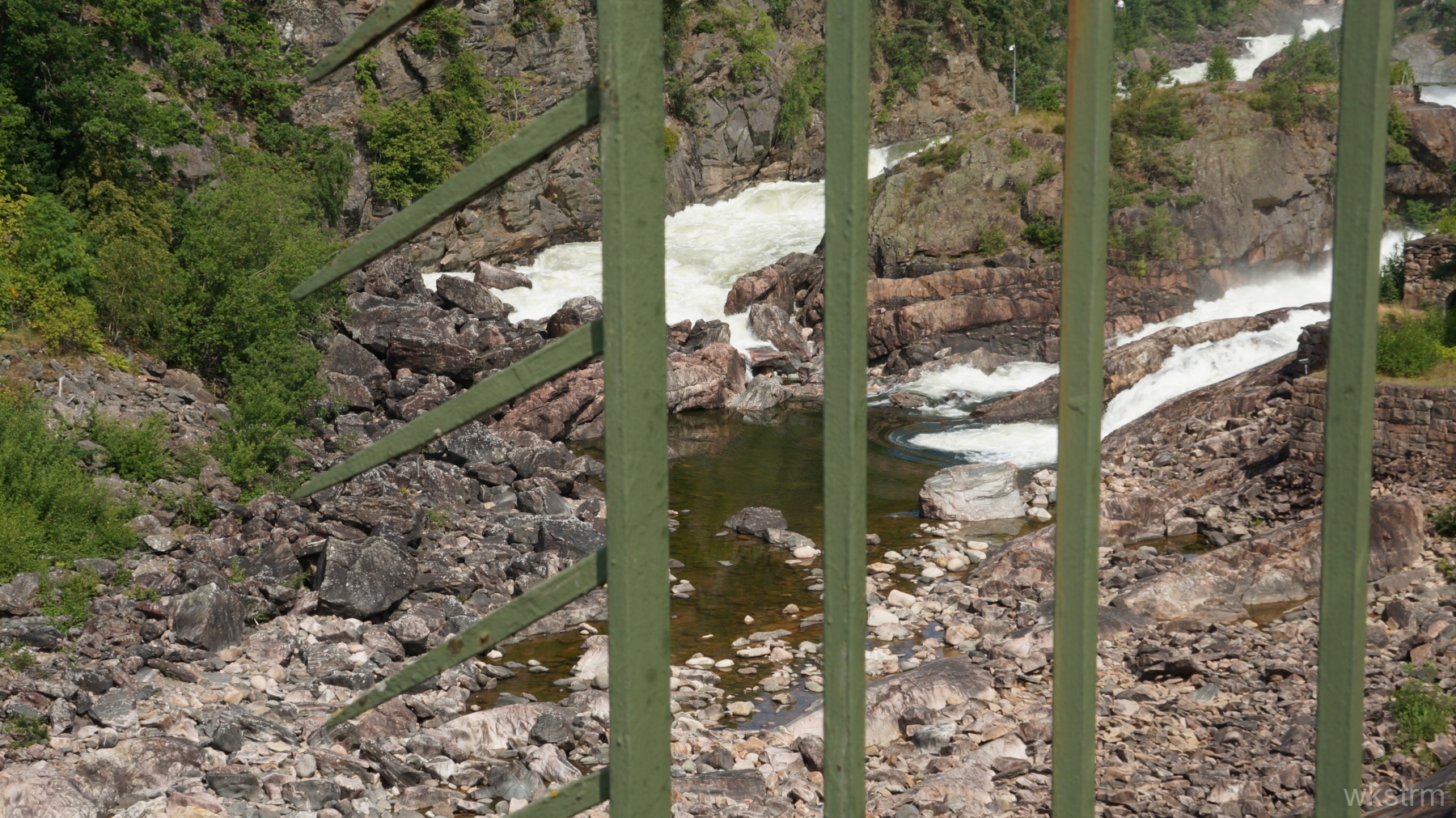
We arrived early so we had the time to visit the market/fair grounds in central Trollhättan before heading over to the “water fall area”. It was very hot this day, about 30°C and no shade. The best viewpoint is probably at the bridge but there was absolutely no shade there. We choose to stand a bit to the side instead, having a fence “partly blocking” our view.

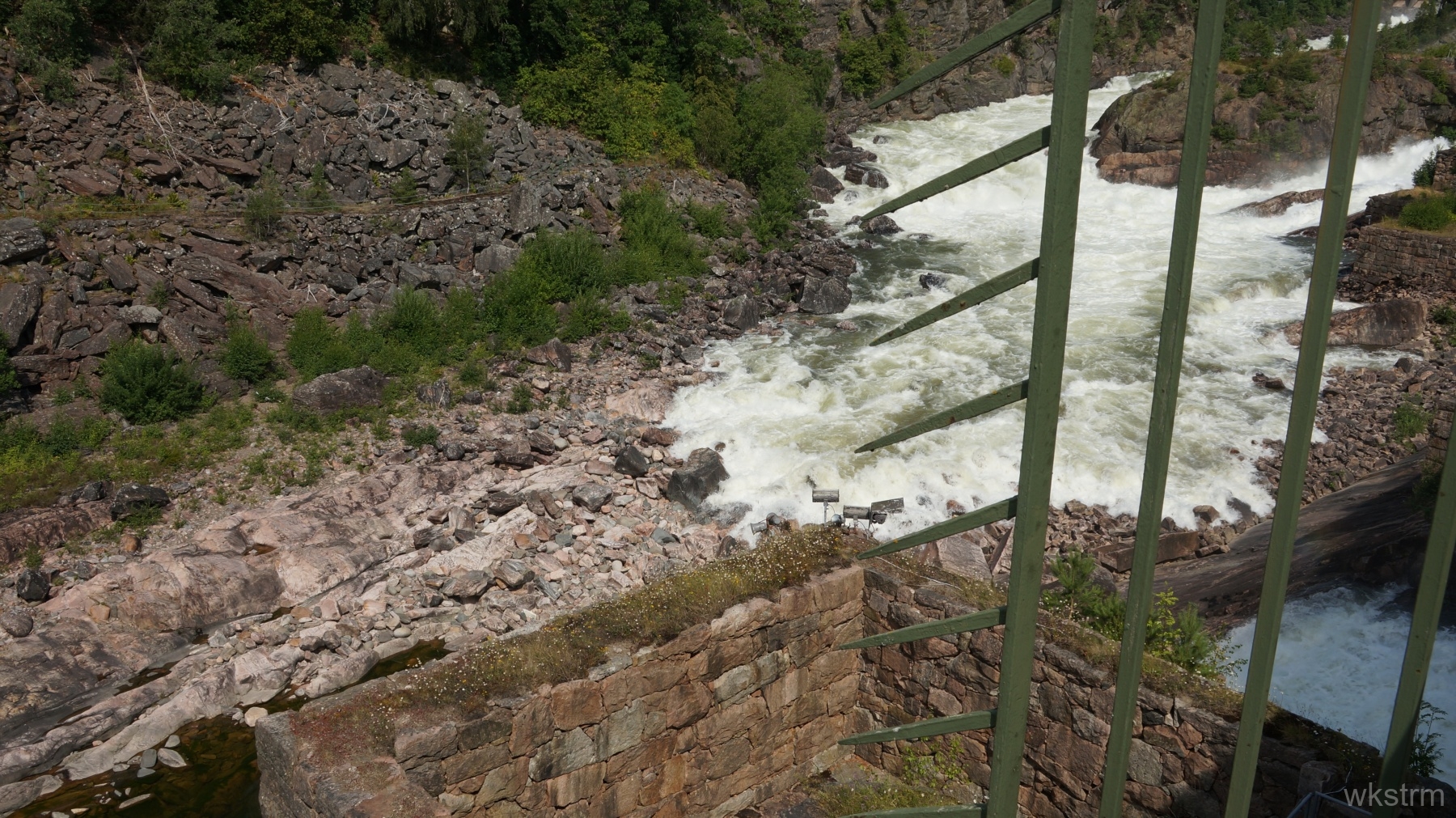
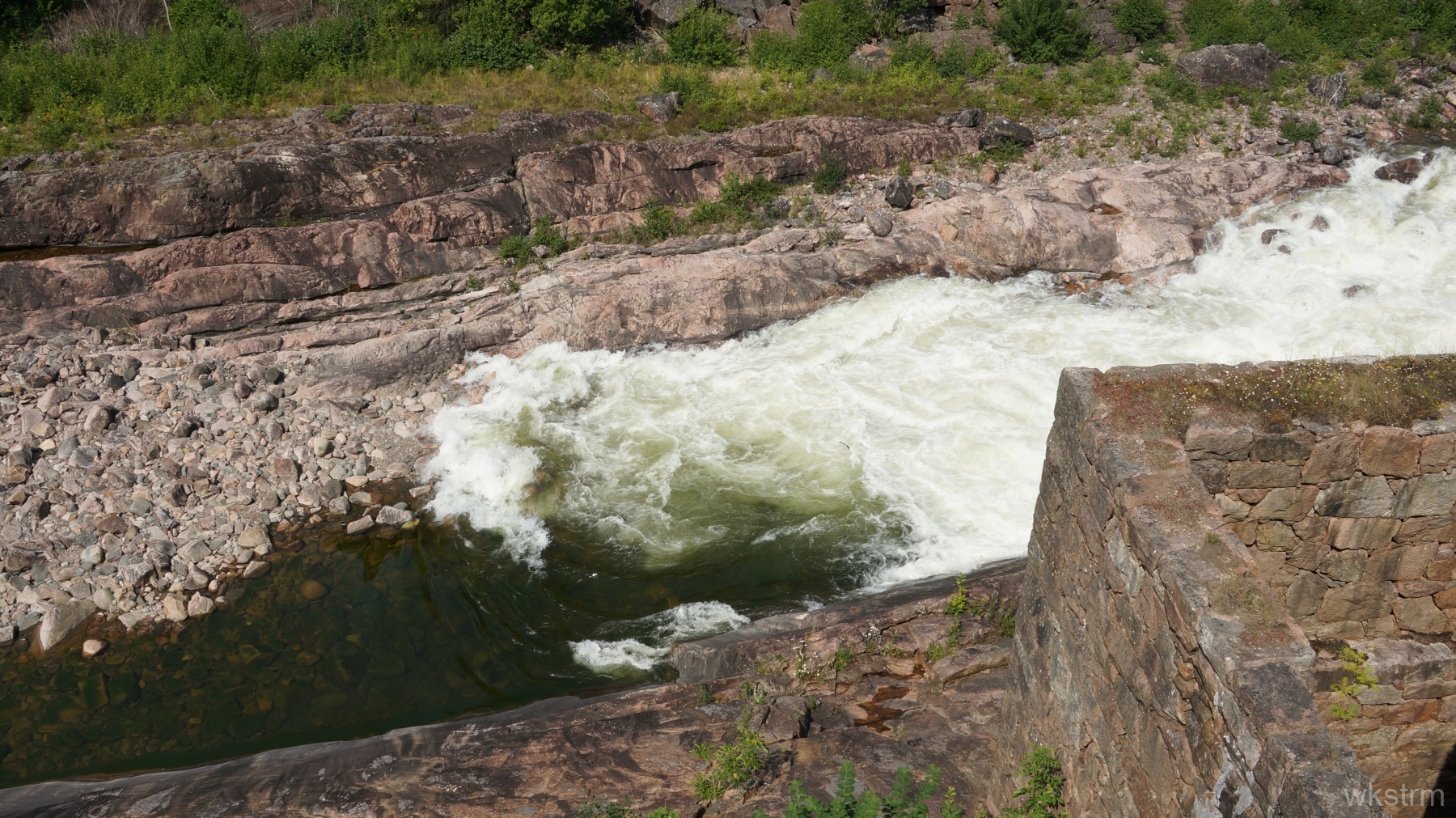
And then they opened the gates and the water came crashing down. First it looked like a small trickle, then it was more and more. Water was thundering below our feet. The pictures speaks for themself.
Silverfallen in Lerdala

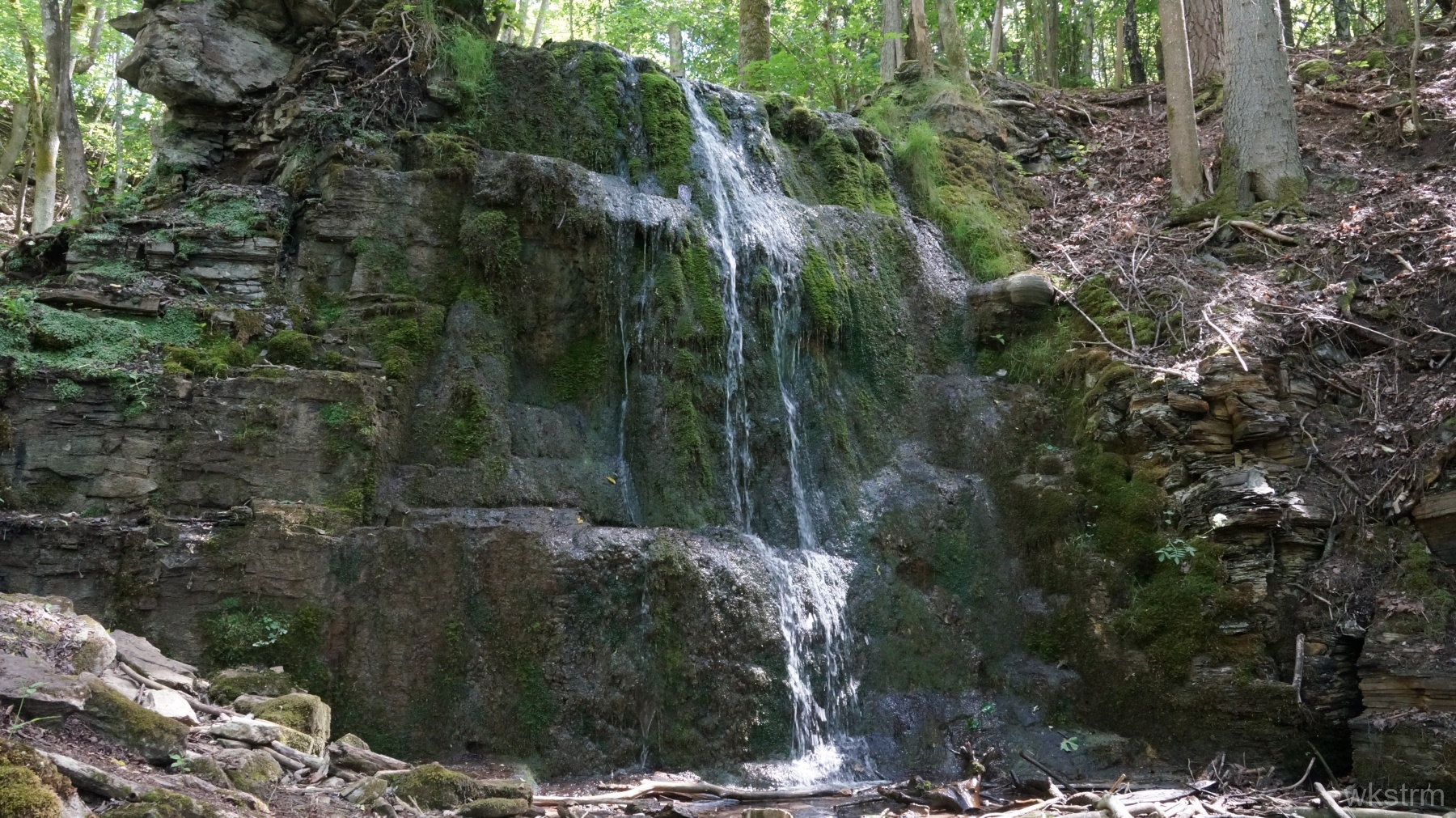
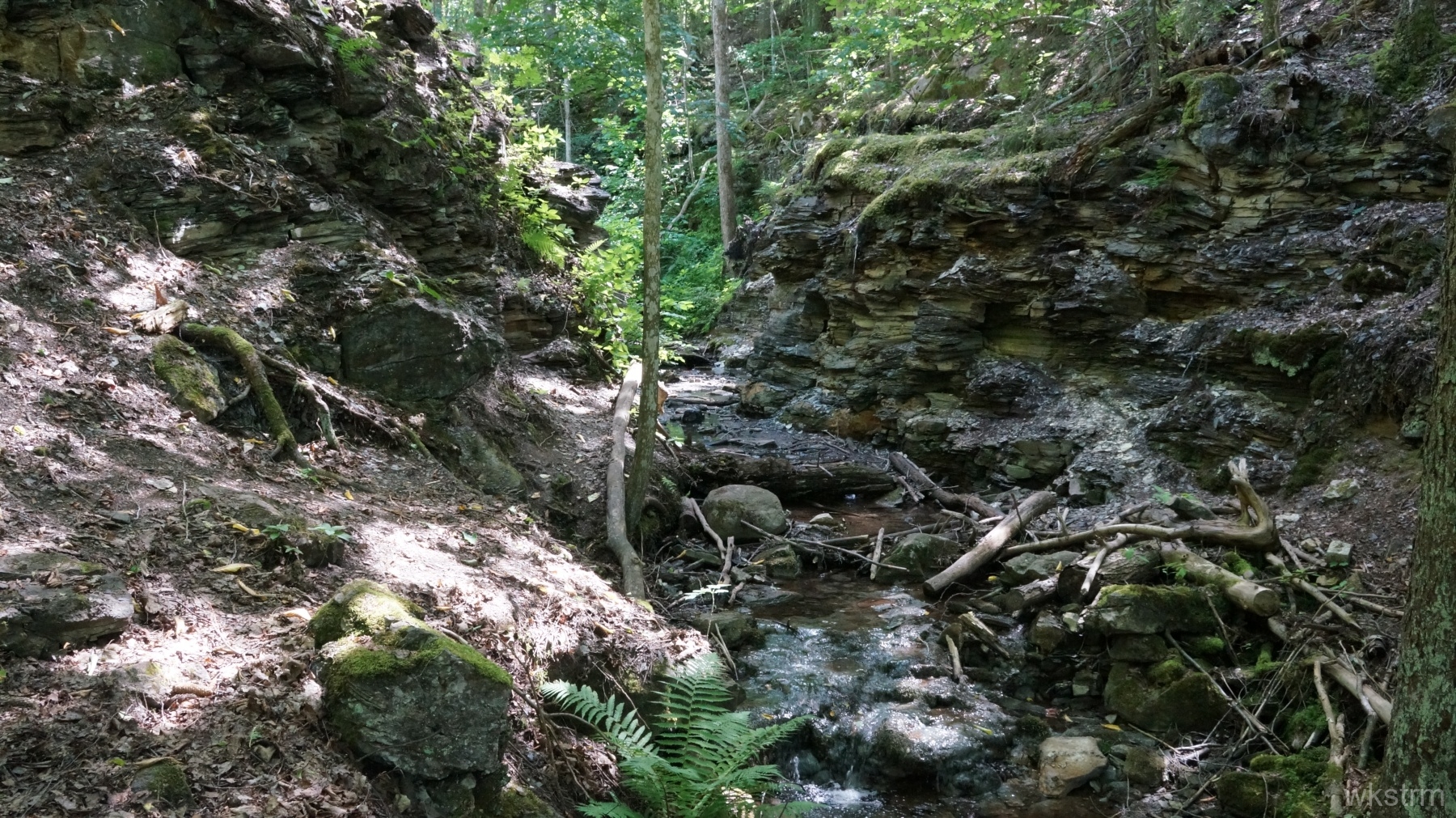
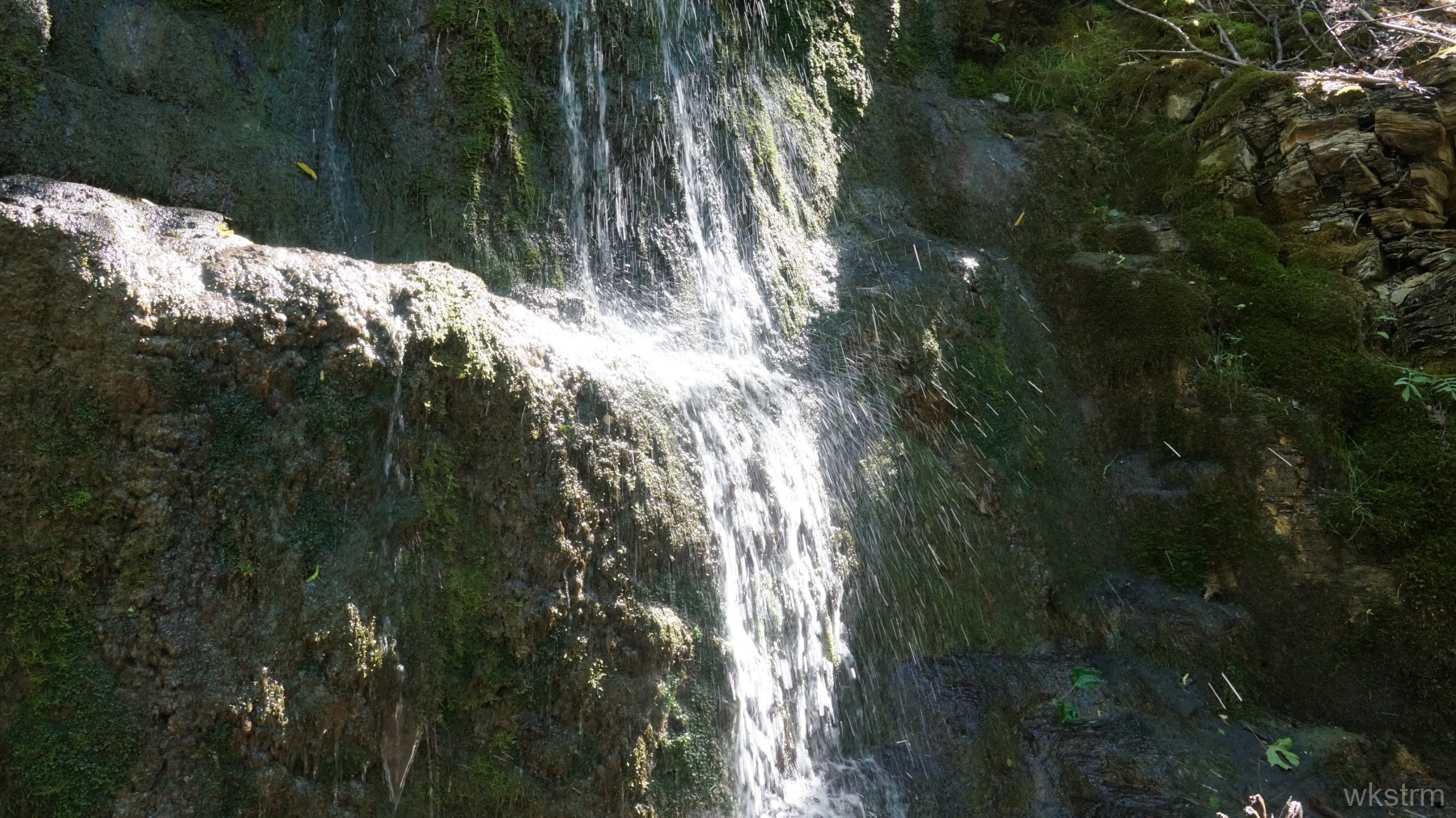
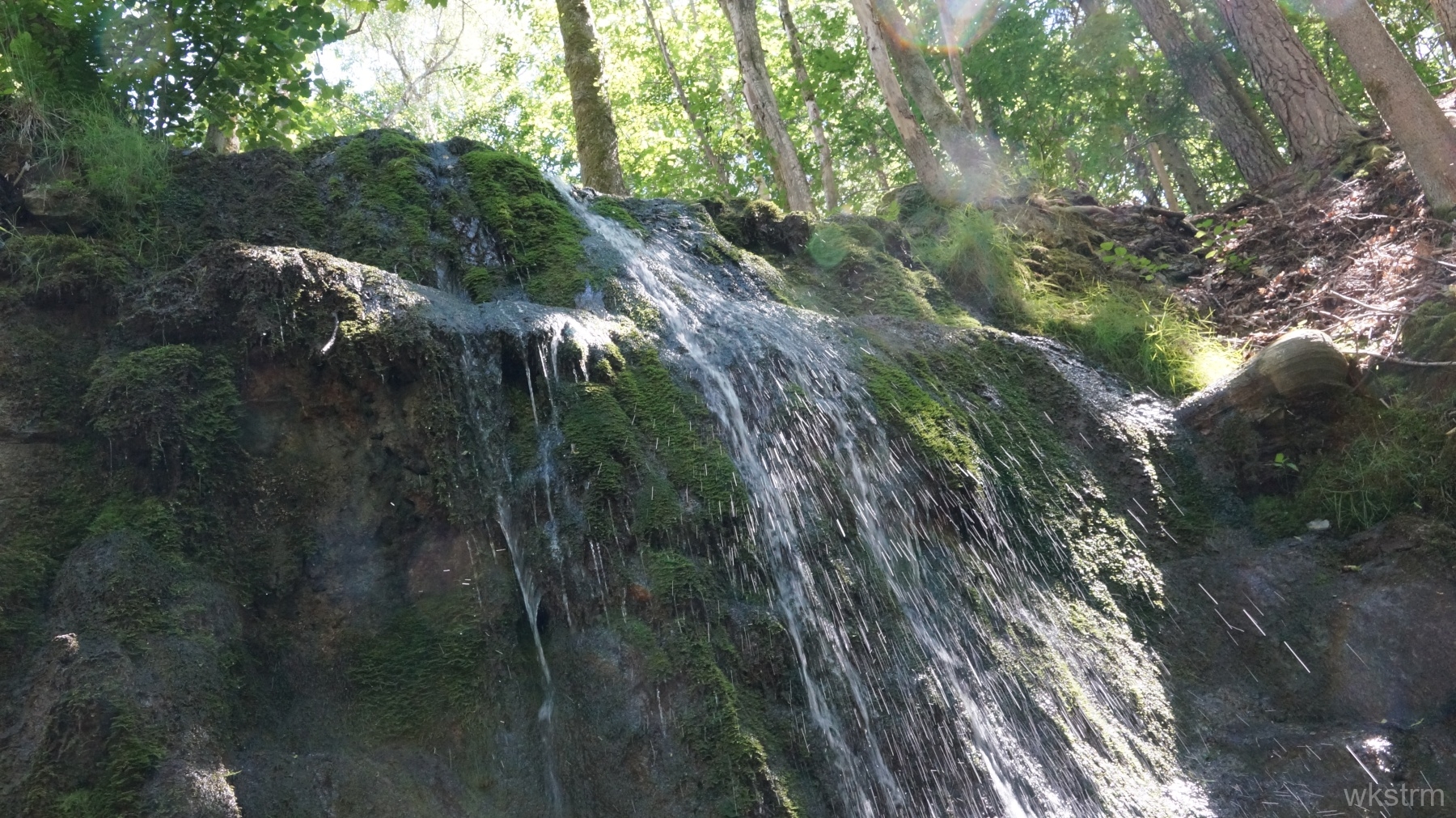
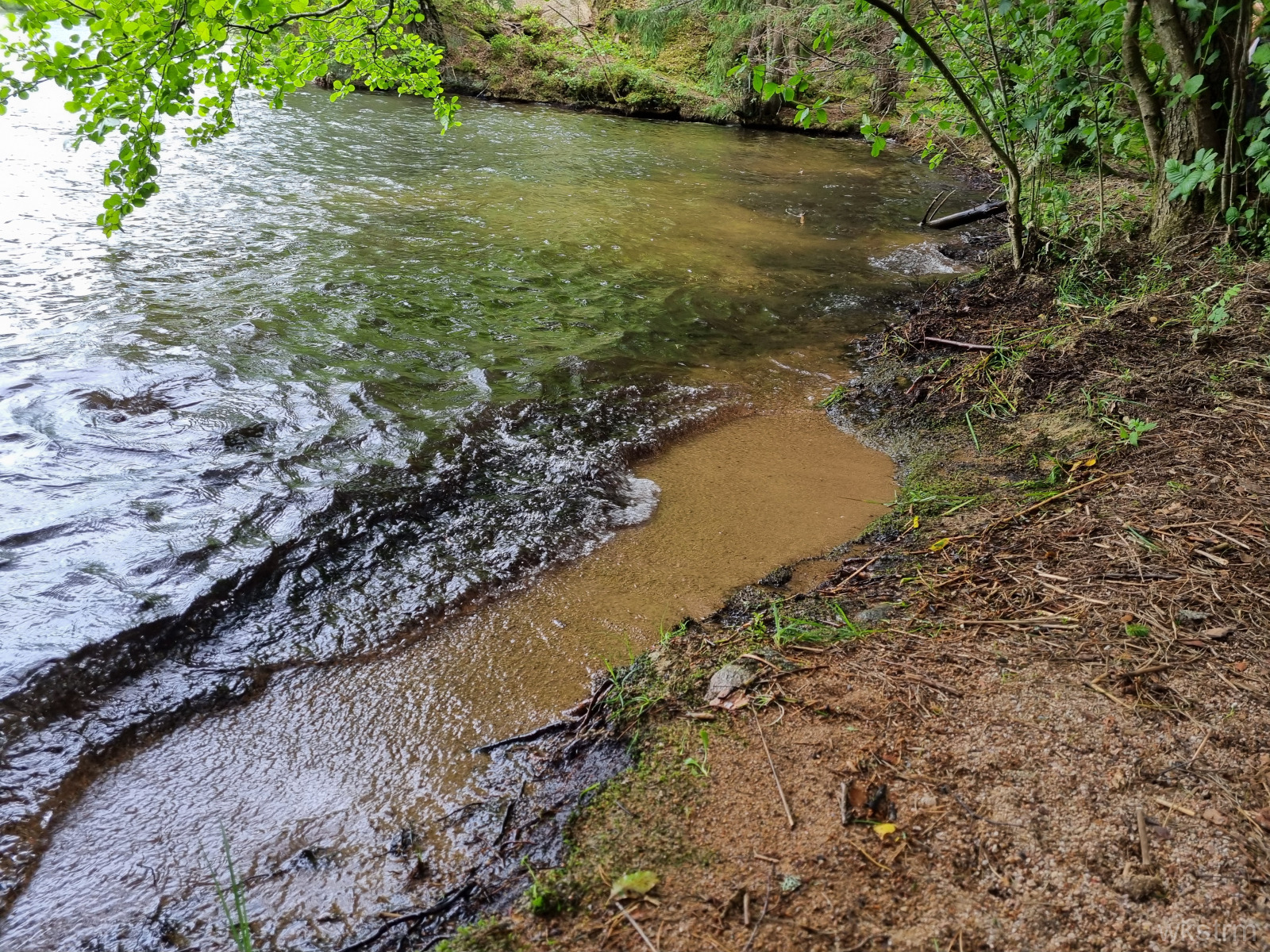
This waterfall in Lerdala, outside of Skövde is one of the most beautiful waterfalls in Sweden. The creek called Karlsfors bäcken flows through a very dream-like landscape down the mountain Billingen. Lime stone cliffs in a lush leafy forest. From the top to the bottom of the falls it’s about 50 meters of smaller waterfalls cascading down terraces. Visiting this place in July I kind of expected the waterflow to be more of a trickle rather than a steady stream. And I was right. Best time to visit is supposedly in the spring.

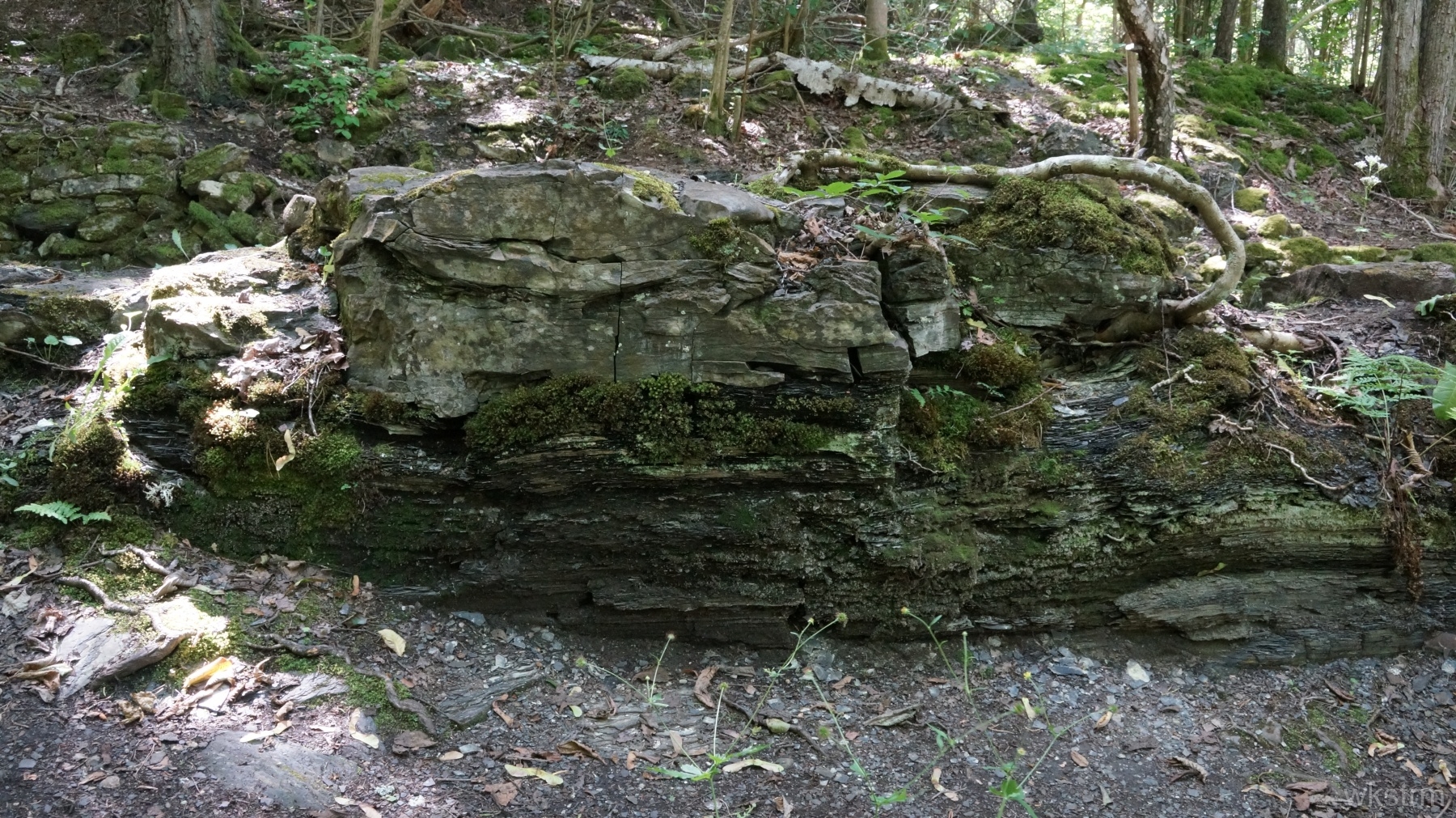
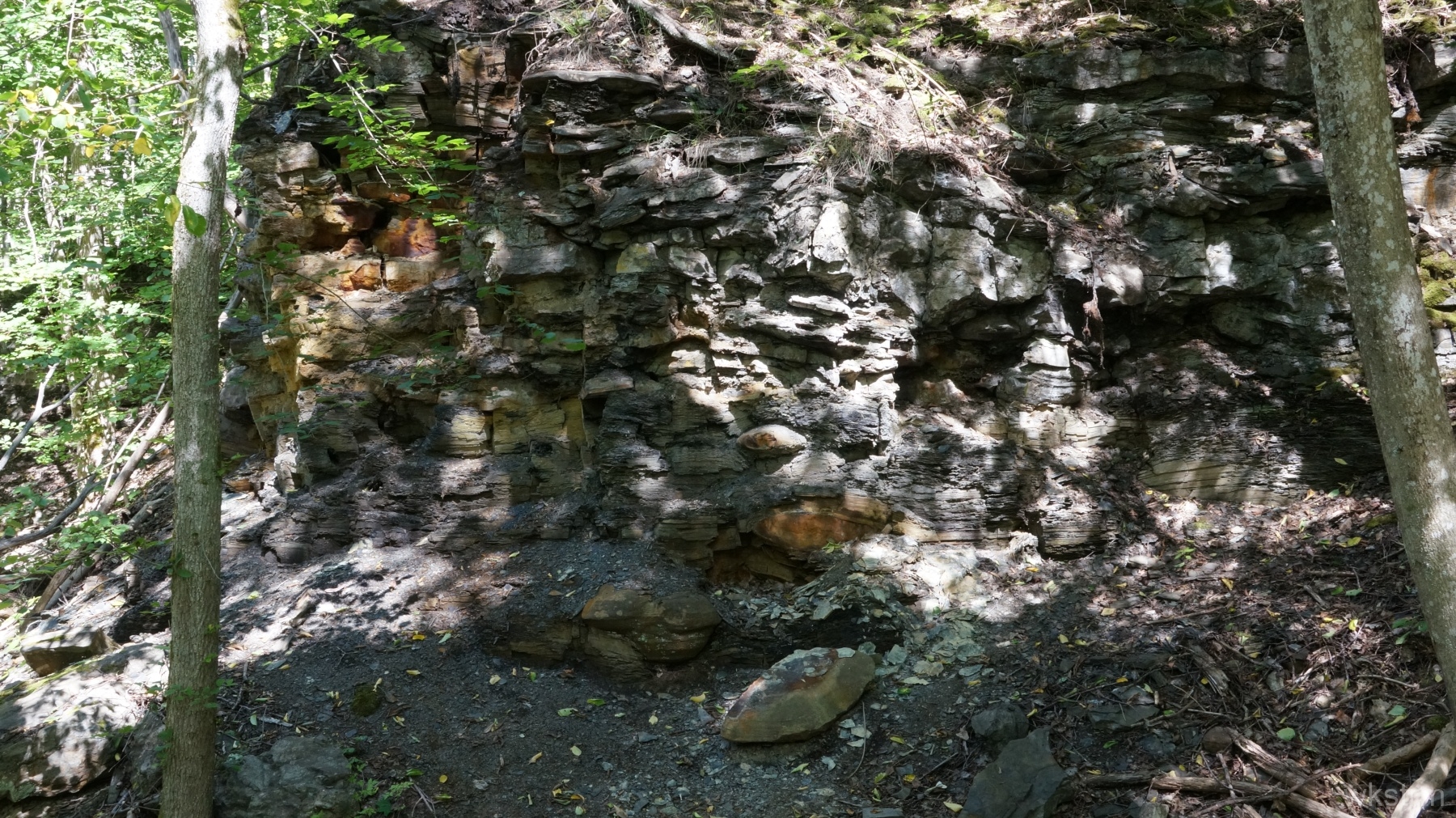
The area is also known for it’s past mining of limestone and alum shale which gives the area an interesting look.

Not too far from the waterfall is the Karlsfors farm where there also is a café called “Café på Klostret” which serves home made buns and bread. One of the best buns I’ve tasted this year for sure!

Salmon ladder in Gullspång

The first stop on a road trip to Gävle. After roughly 2,5 hours of driving it felt good with a pause and one such place to stop would be in Gullspång. And running through Gullspång is the Gullspångsälven river dividing Gullspång between Värmland (north side of the river) and Västergötland (south river bank).

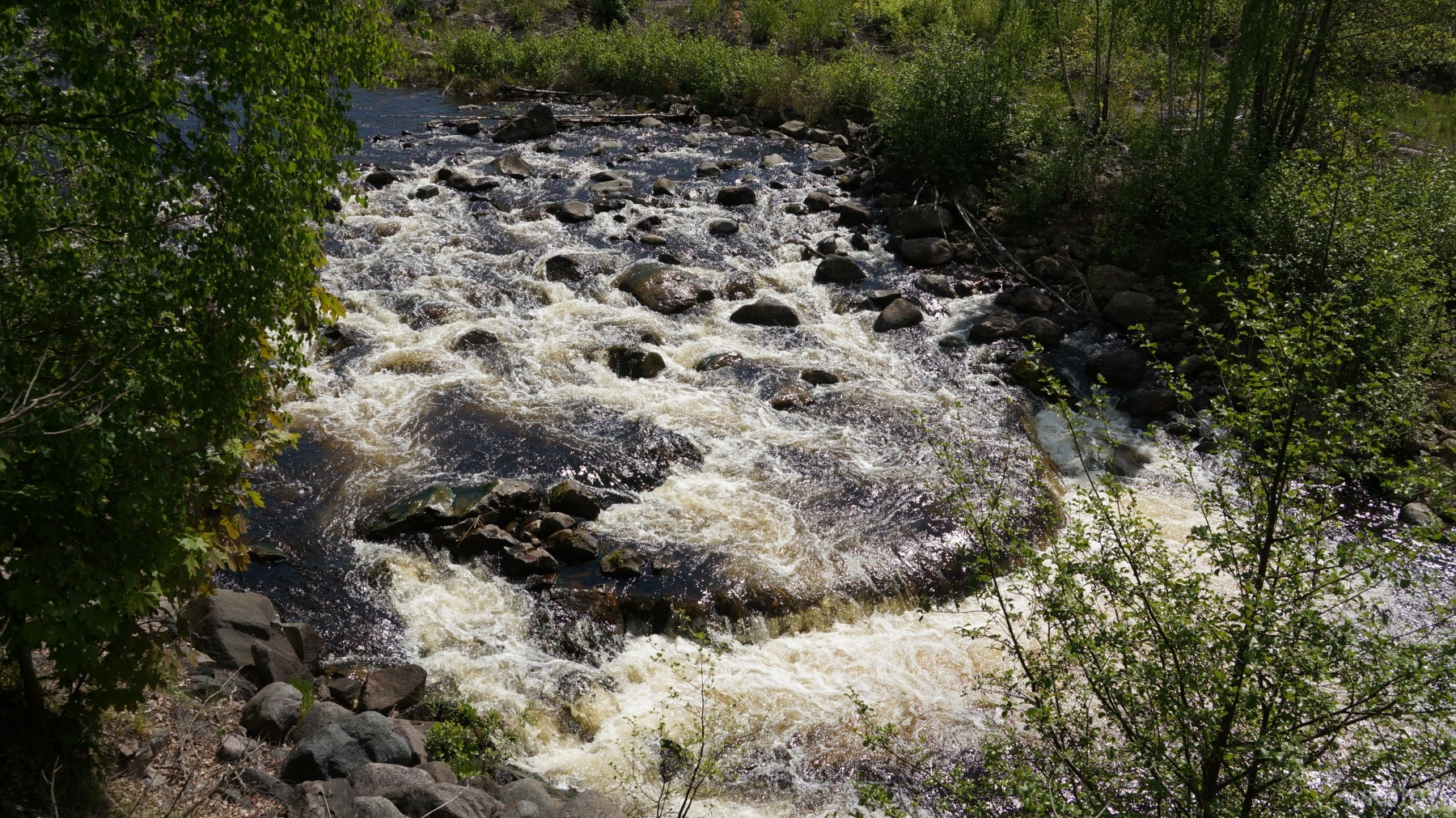
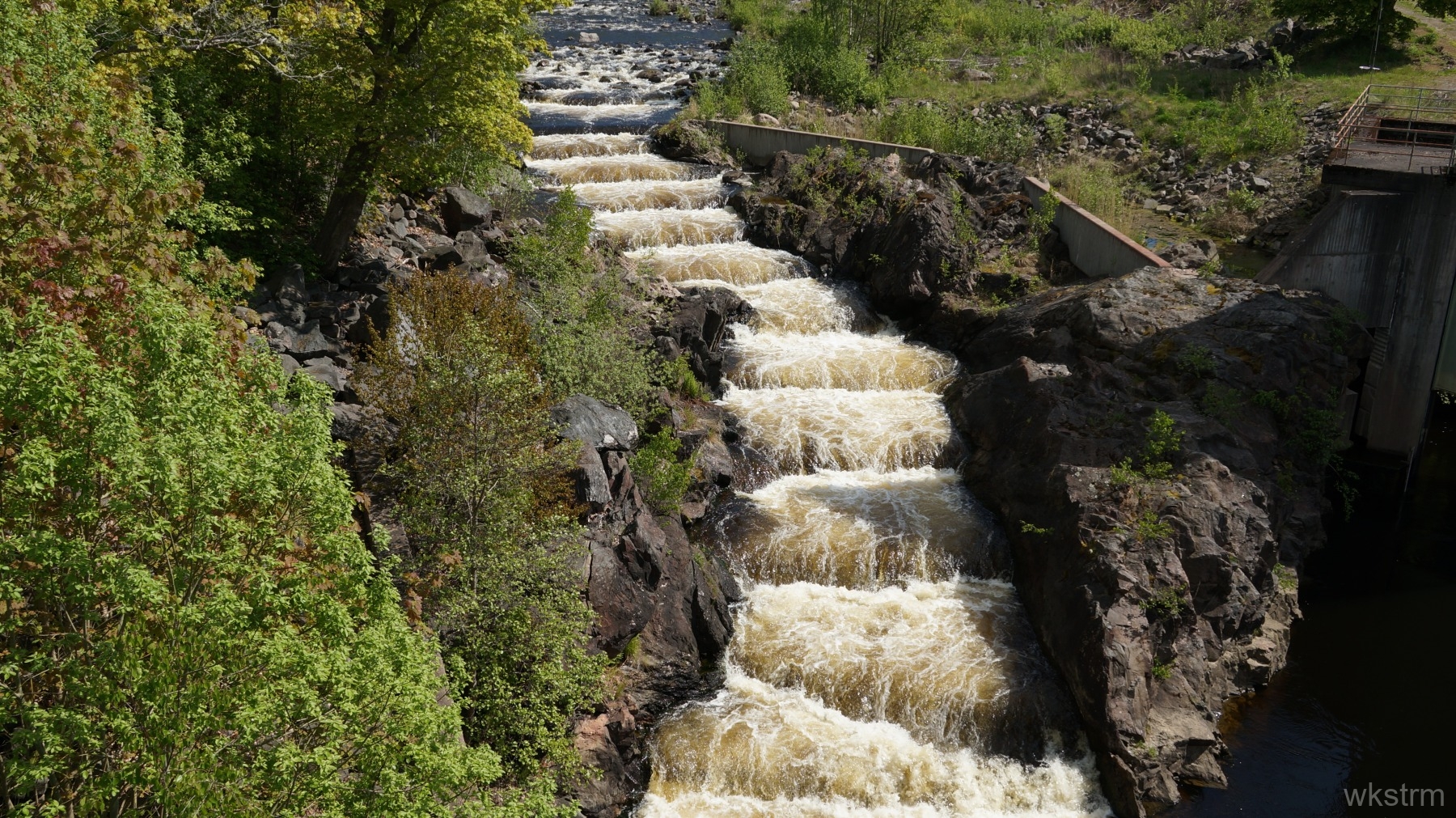
It began as a joke to annoy my wife but the salmon stair turned out to be better than it first seemed. Built in 2004 in an effort to increase the salmon population in the river created these mighty man-made rapids.

Valborg / Walpurgisday

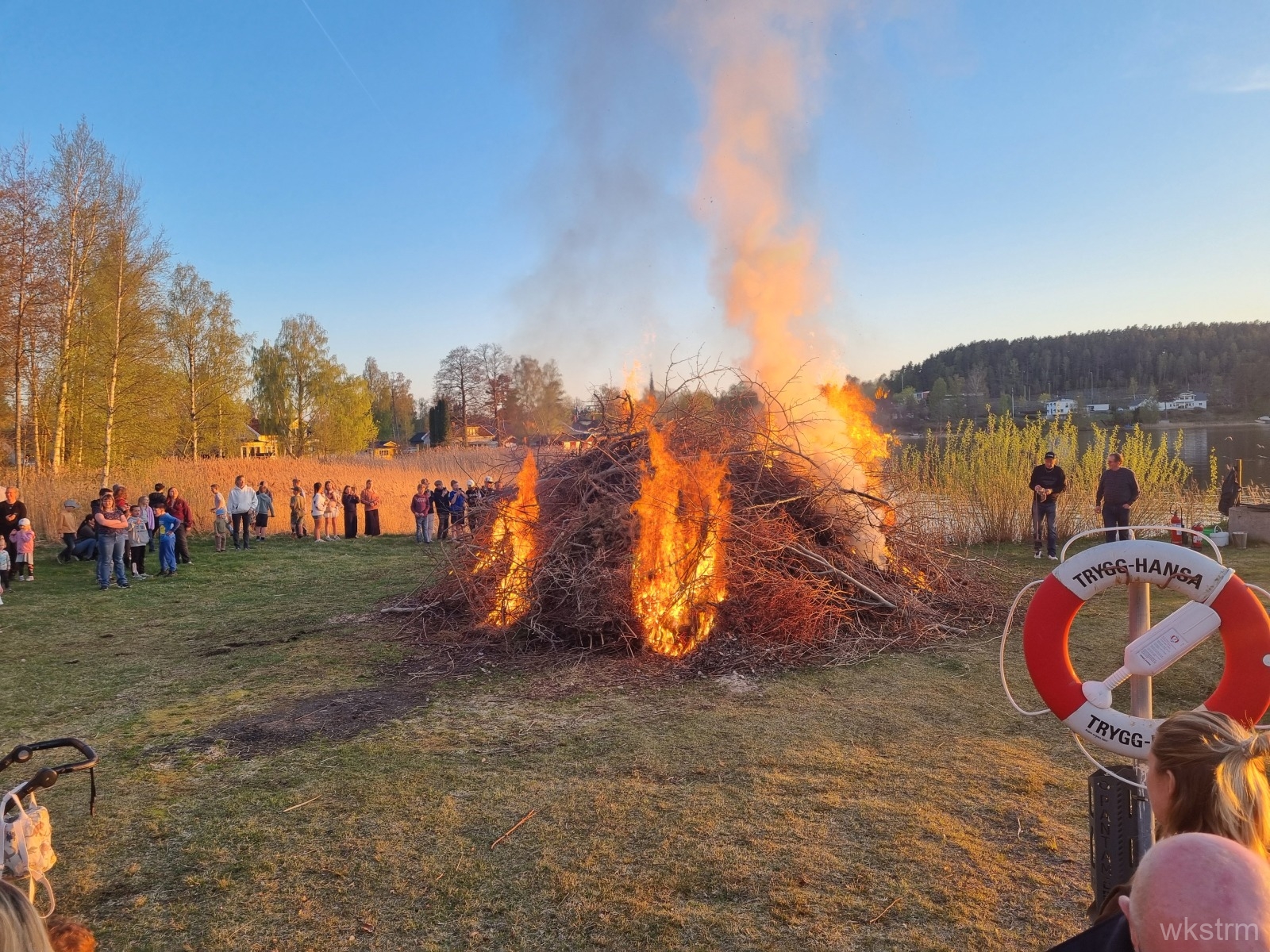
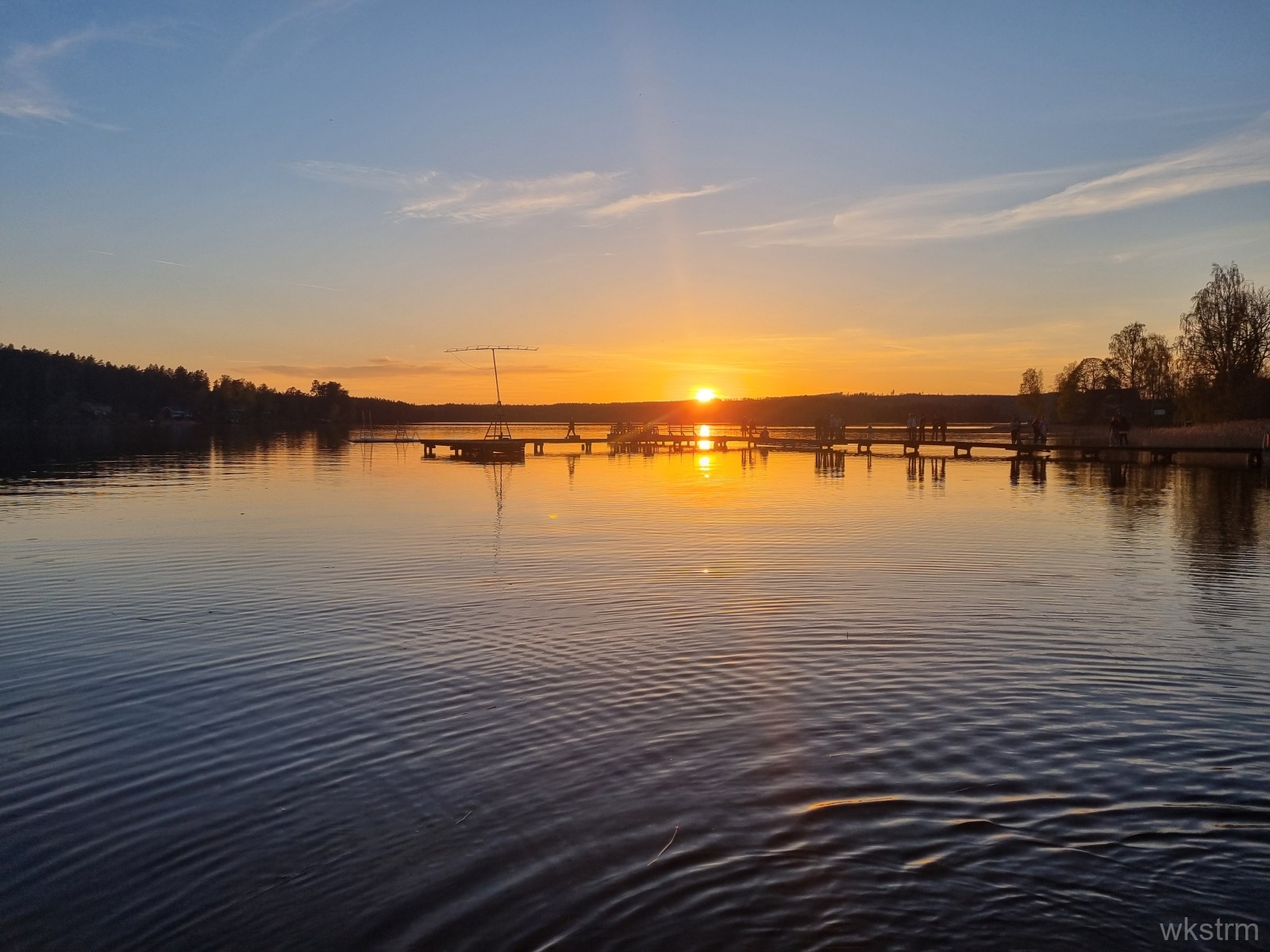
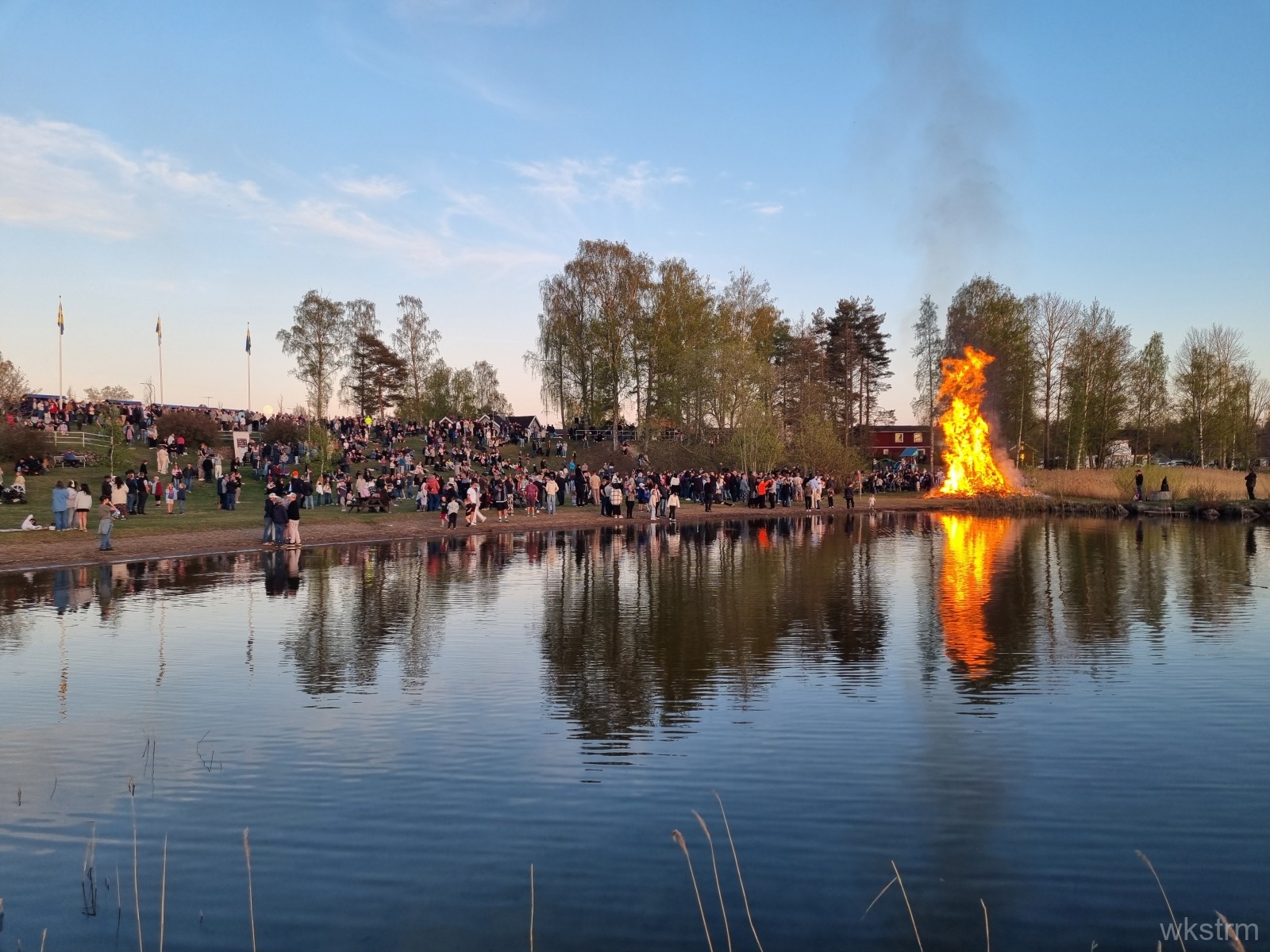
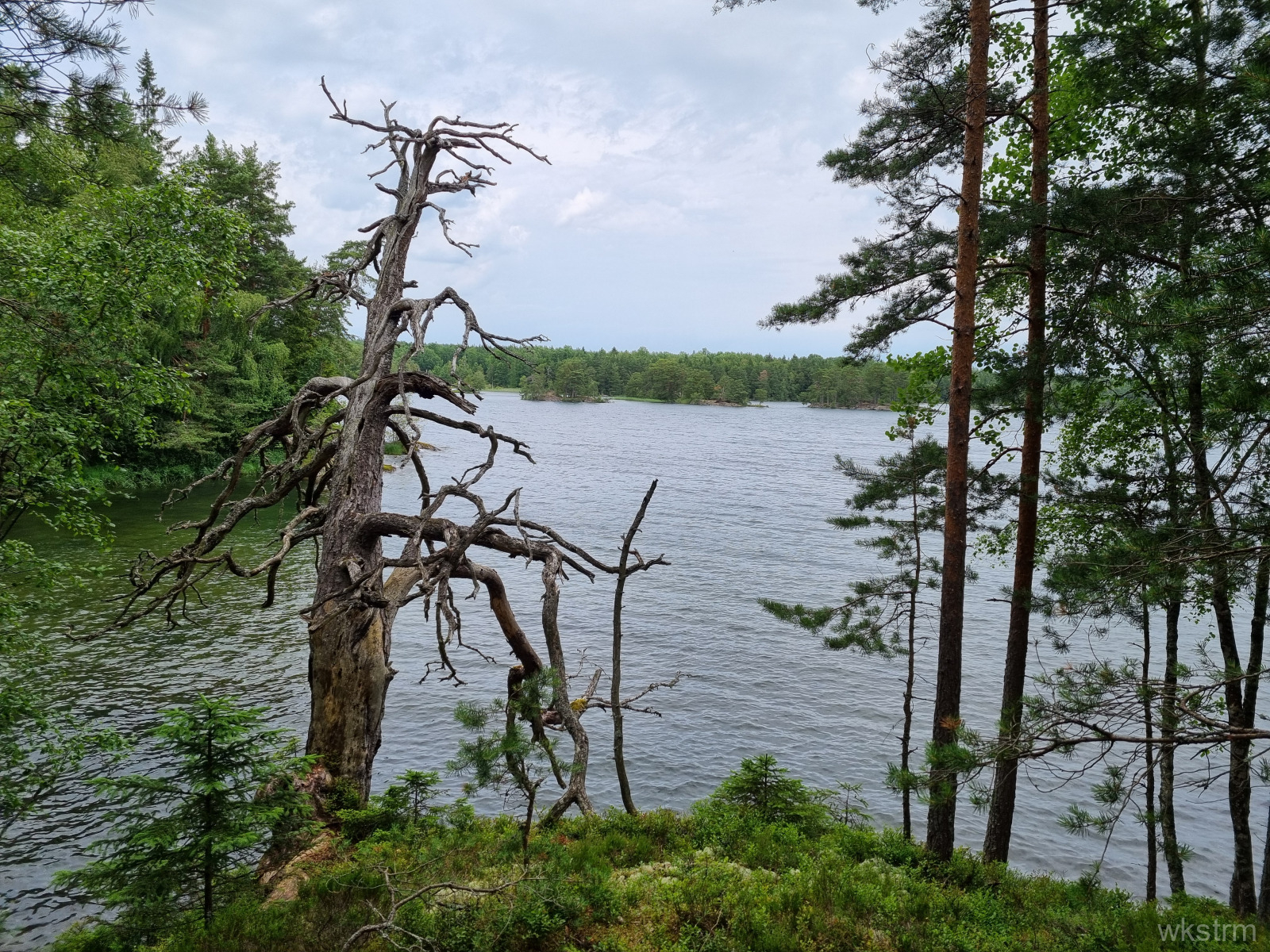
Long time since we attended a traditional Valborg (Walpurgisday) celebration. This time we went to Mölltorp, not far from Karlsborg for teh celebration at the shore of lake Kyrksjön. Took some time before the fire was finally lit. But it was a nice celebration and nice to see so many people come out to celebrate togheter.

Vänga Mosse

My mother and father gave us the tip to go here with our daughter. Getting there was easy, then some confusion around the walk way occured. We decided to go to the café at the Vänga Kvarn, which was really nice. The setting was perfect.

After the fika we continued to the main attraction, the bog itself, Vänga Mosse. Very good walk ways, and a nice experience over all. All in all we walked about 5,5 kilometers which I think is quite fair distance.

Husaby

We have already visited this place about 2 years ago but then we only had a quick look at the St. Sigfrids spring. This time we made a longer stop, bought some ice cream in the kiosk, then went to have a look at the spring (again) where the English missionary Sigfrid is said to have baptized Olof Skötkonung, the first Swedish king to be christened. Then we walked the short distance to the ruins of the old bishop castle that was built in close proximity to the church. This small castle has an interesting history in itself, partially told by the information signs on site.

Husaby church dates back to the early 1000’s, where the first structure is believed to have been a stave church. Early 1100 the stone tower was constructed, then later during the 1100’s the rest of the church was re-built in stone and the tower extended even further. Historically the church played a significant role in the early Swedish history and is well worth a visit.

I find the most interesting part of Swedish history the part where Sweden becomes Sweden and Husaby church is maybe one of the corner stones in the early Swedish history. To me it made sense to go there and see the location, and imagine the history for a bit.

Hjo

Took the family and my family in law to Hjo, actually, it was my mother in law that suggested we go there and have an ice-cream at Moster Elins Glass. So we did. I’ve been to Hjo a couple of times before, one time long ago and I do not really remember much, the time after that was with my wife to have lunch and I remember walking along those cozy streets of what is called the “wooden town”. Old houses from the 1700-1800’s which are all very well preserved with their gardens and so on. Sadly I did not take any pictures back then.

I also think we stopped on the outskirts once for lunch on another occasion. However, this time around we had a clear mission, to get ice cream and just enjoy the day in Hjo. We found a small sight seeing train which we rode for a meager cost. Maybe not the best thing in the world but it was something to do, something we also knew our daughter would like. Then we walked around in Hjo for a while before returning home.

Varnhem abbey

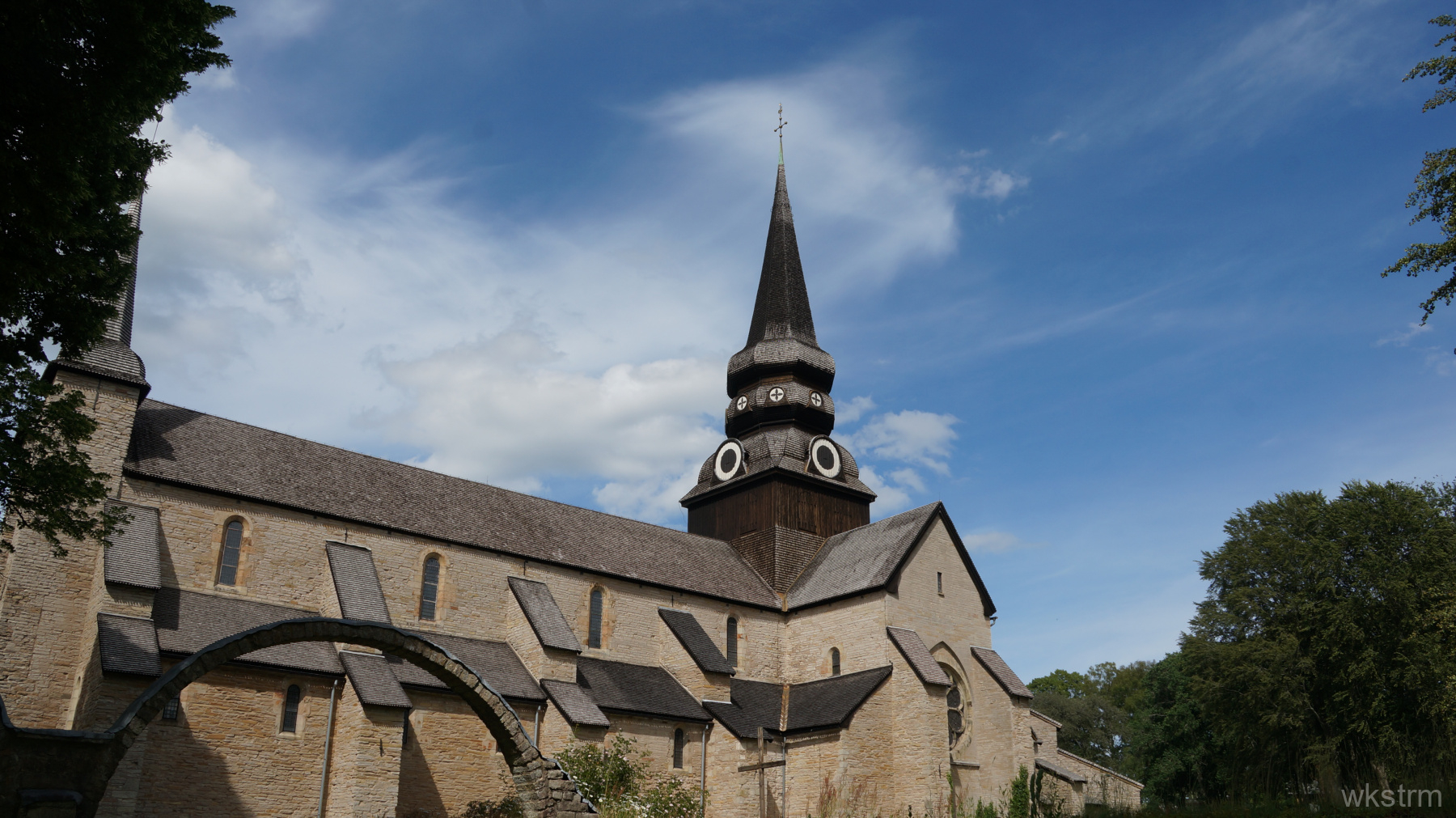
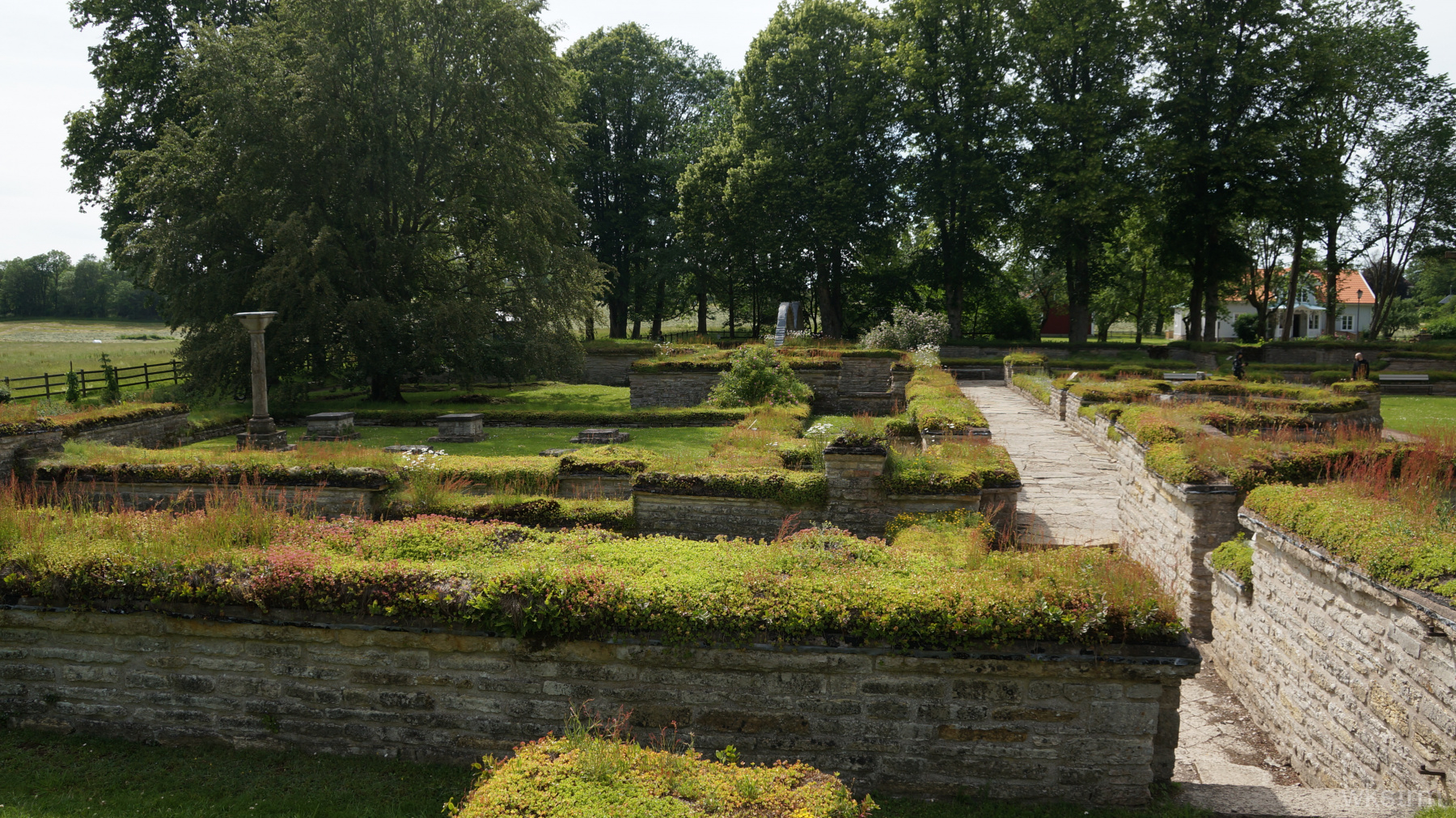
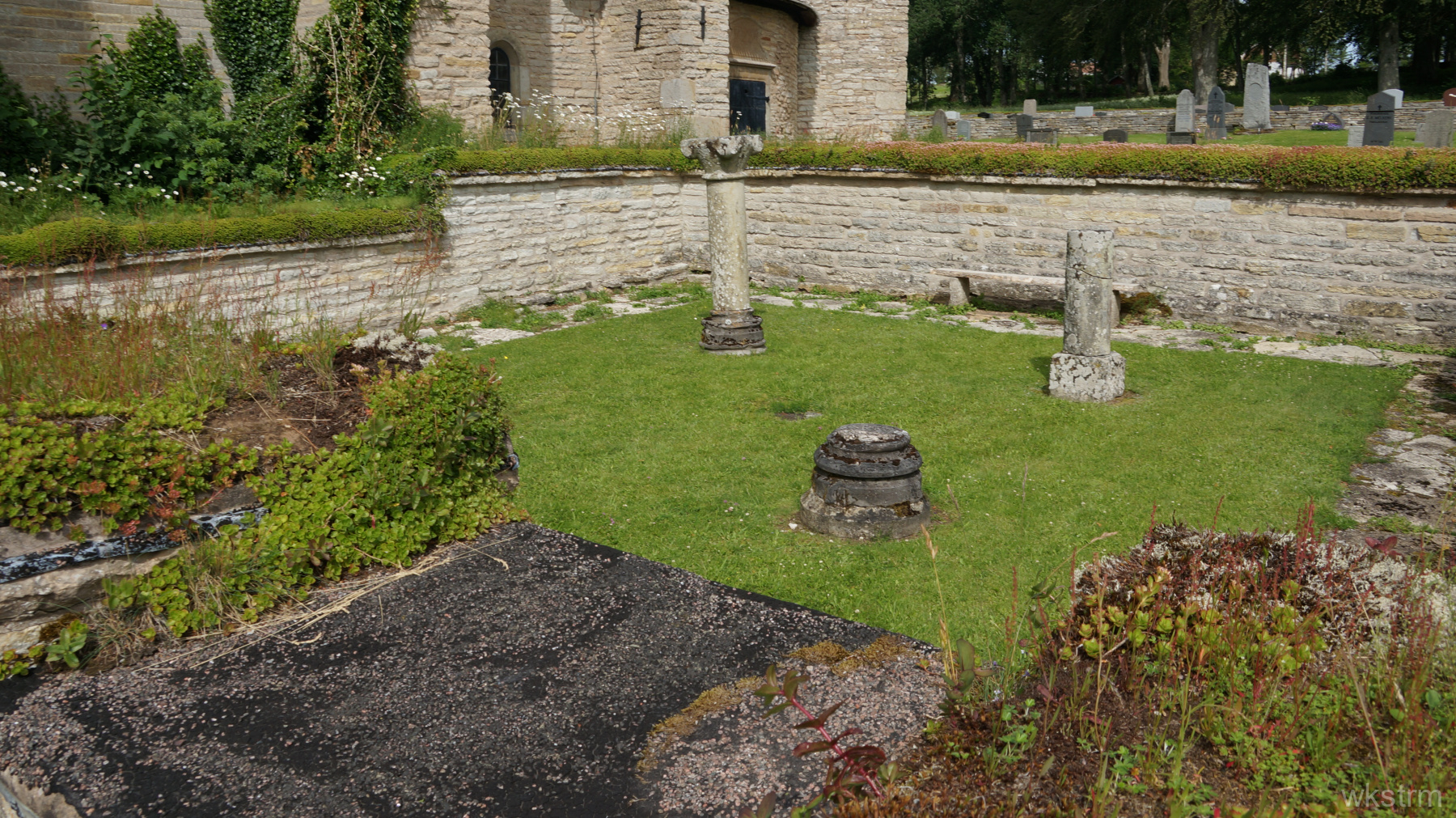
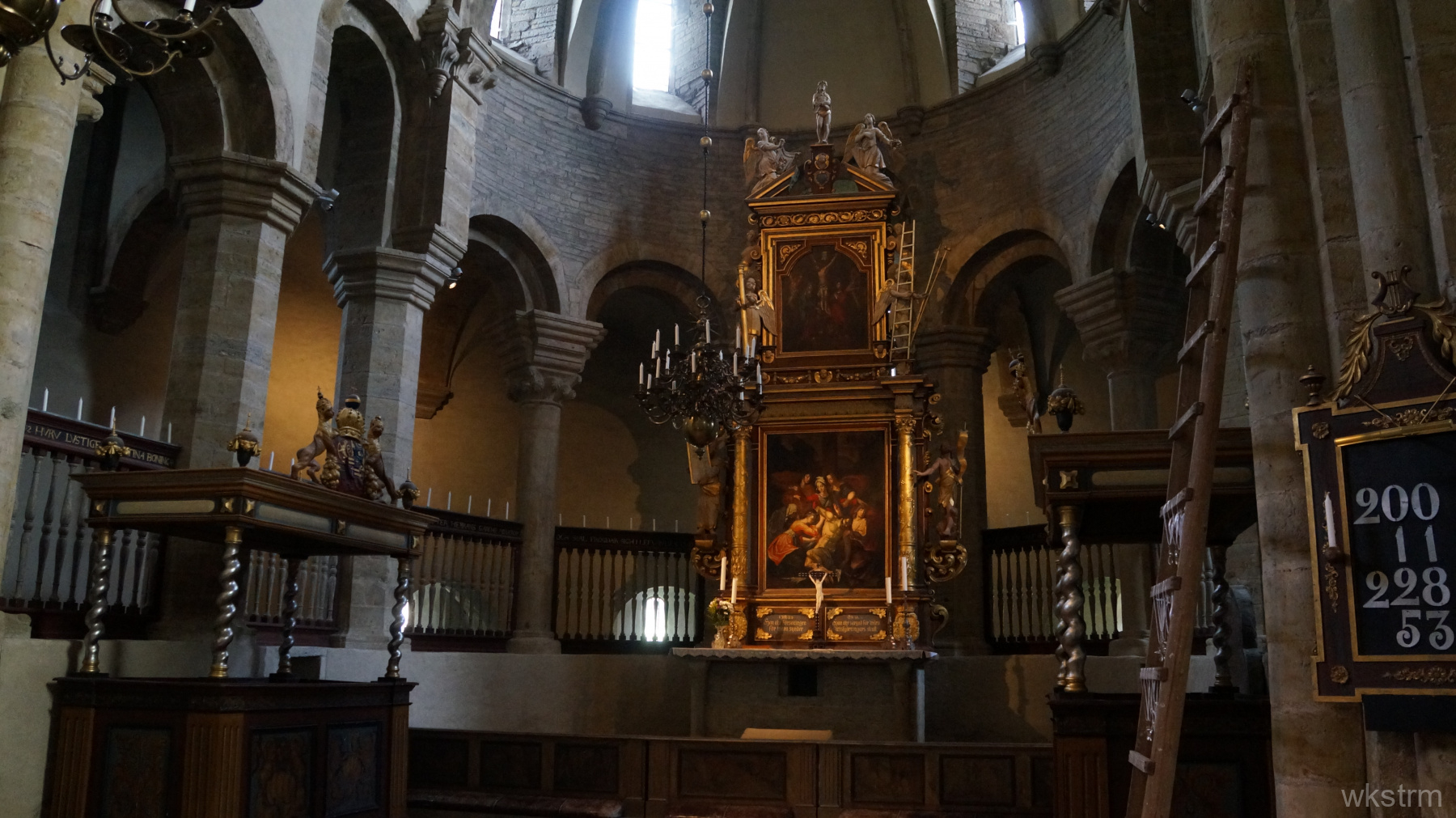
Yet another place of historic significance. We’ve passed by this place many times on our way to/from Karlsborg but never stopped to visit before. Doing so with a small child who rather do other tings than looking at an old church/ruin could have been easier, but we managed.

Karlsborg (again)

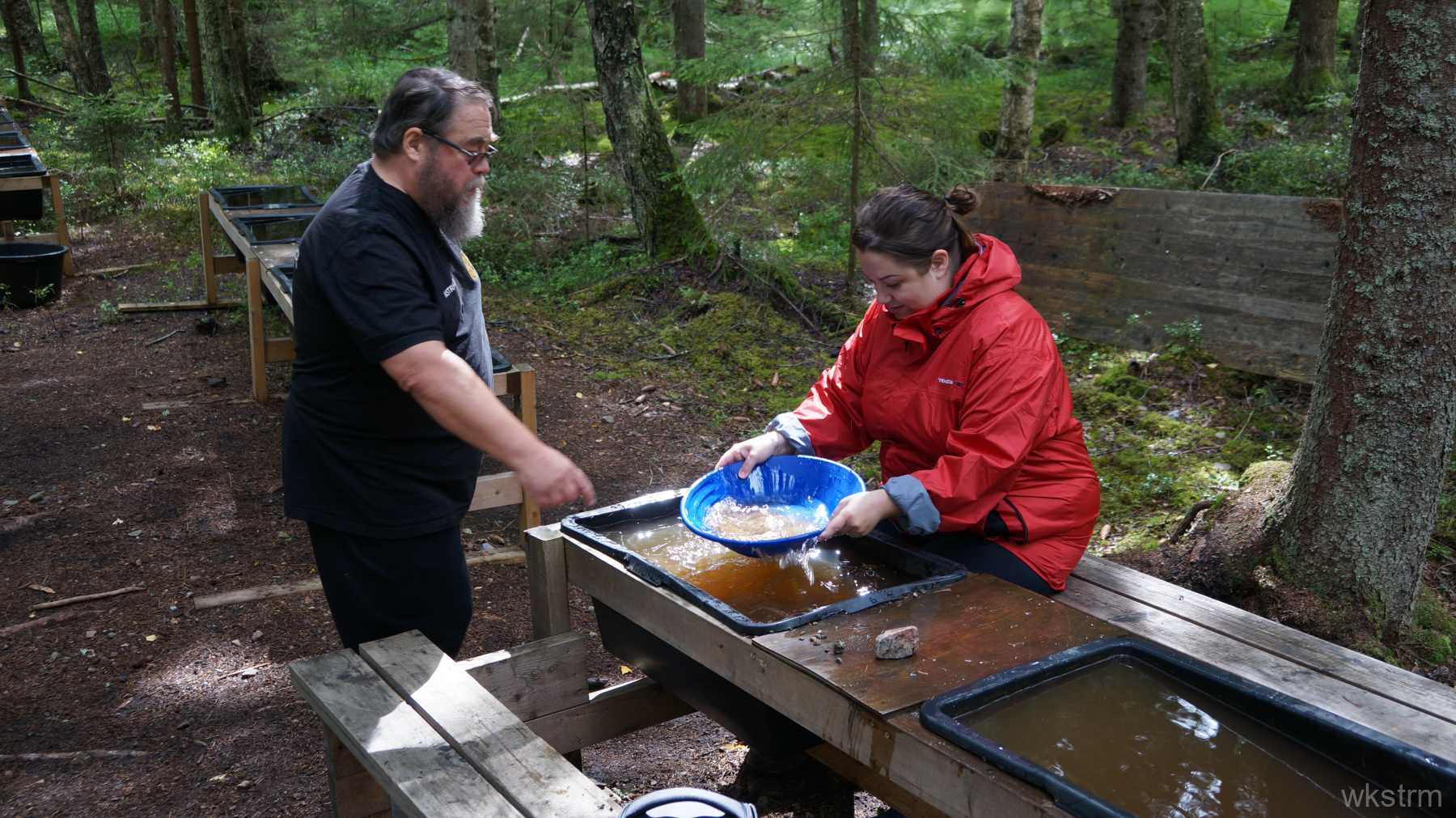
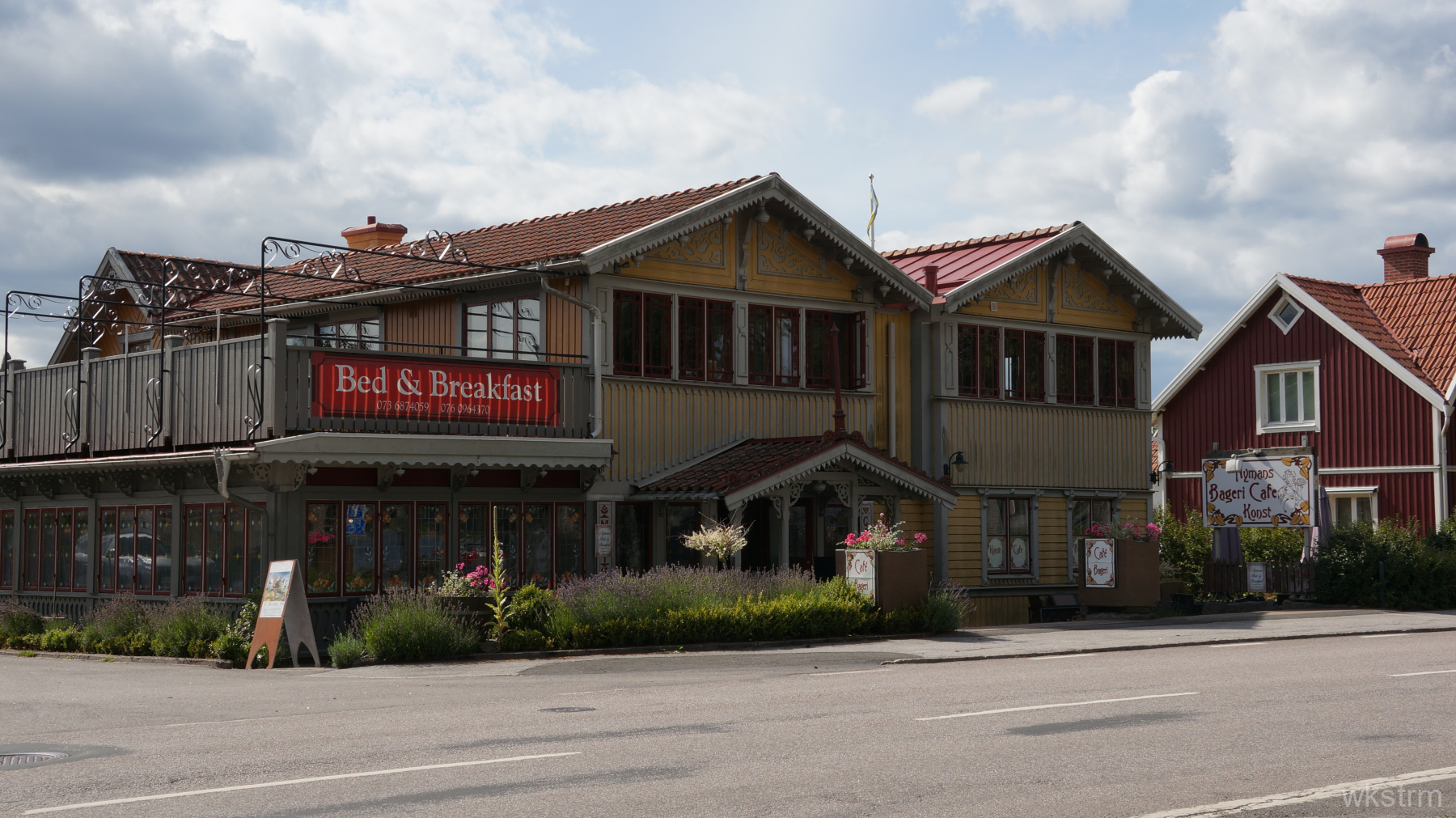
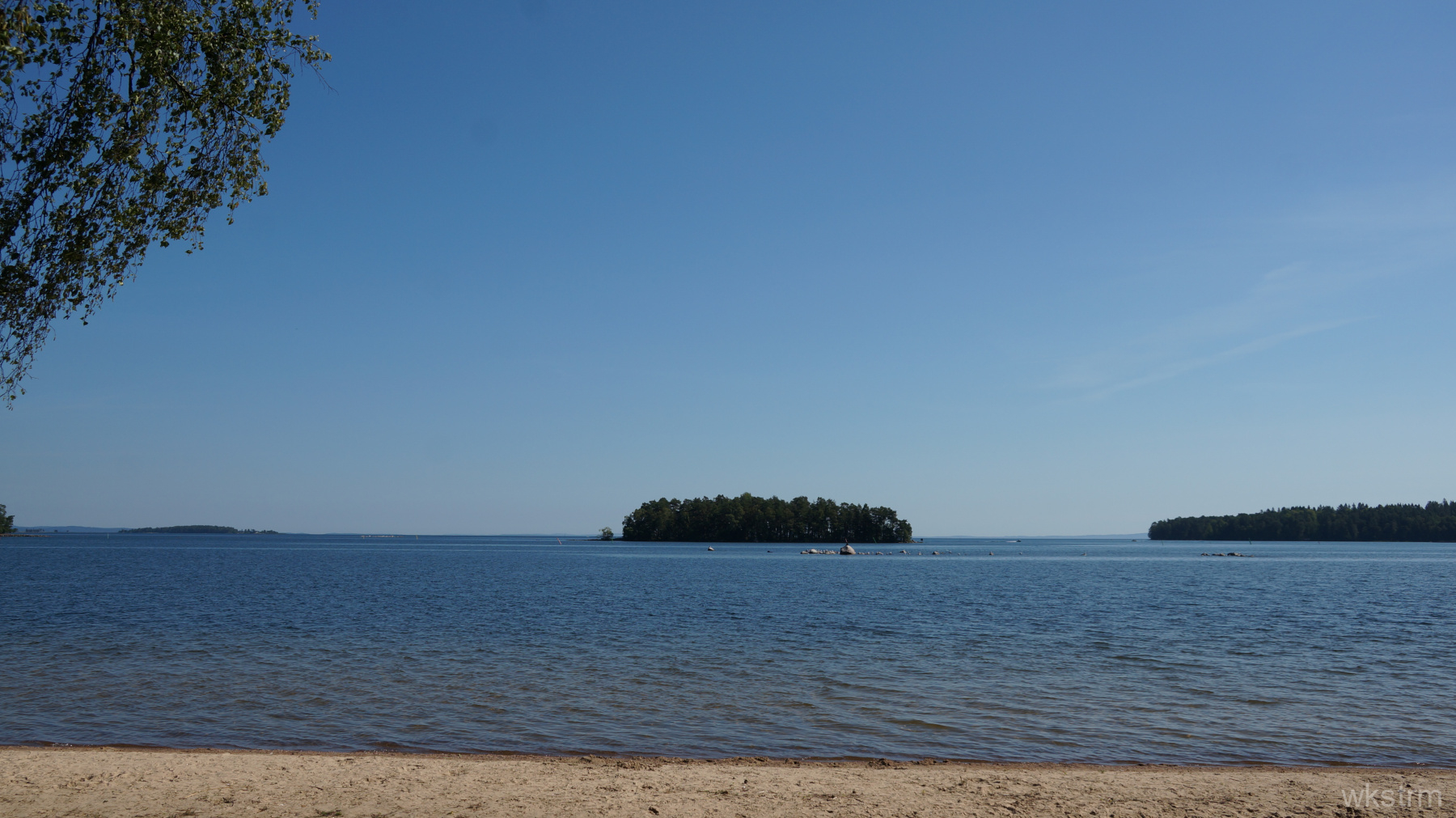
This time around we spent more time in town, walking around looking at the harbor for example. We also visited the famous café, Nymans Bed & Breakfastwhere they exhibit art that you can buy. We also went to the beach and we also tried our luck at gold panning in Granvik.

Karlsborg

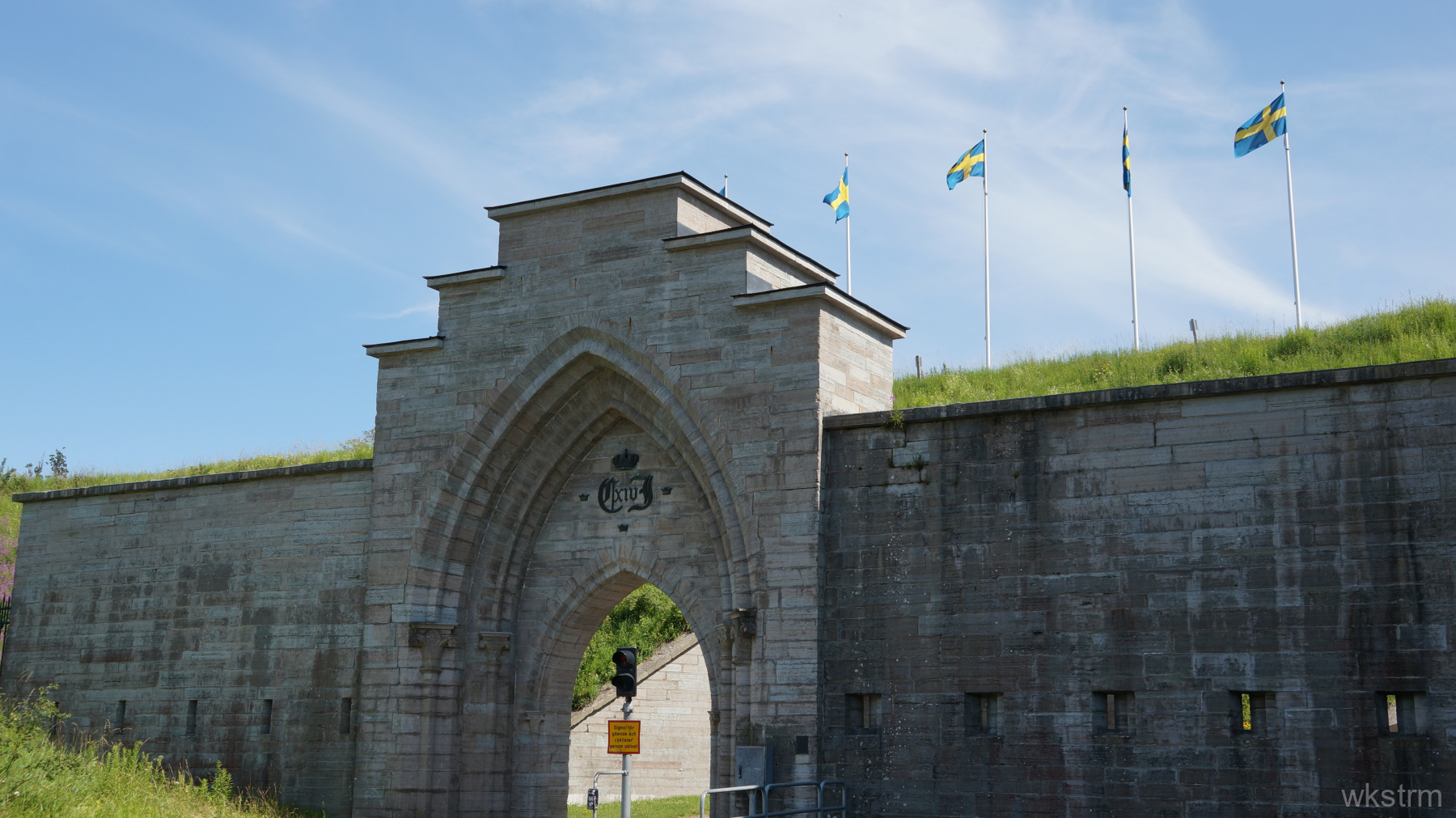
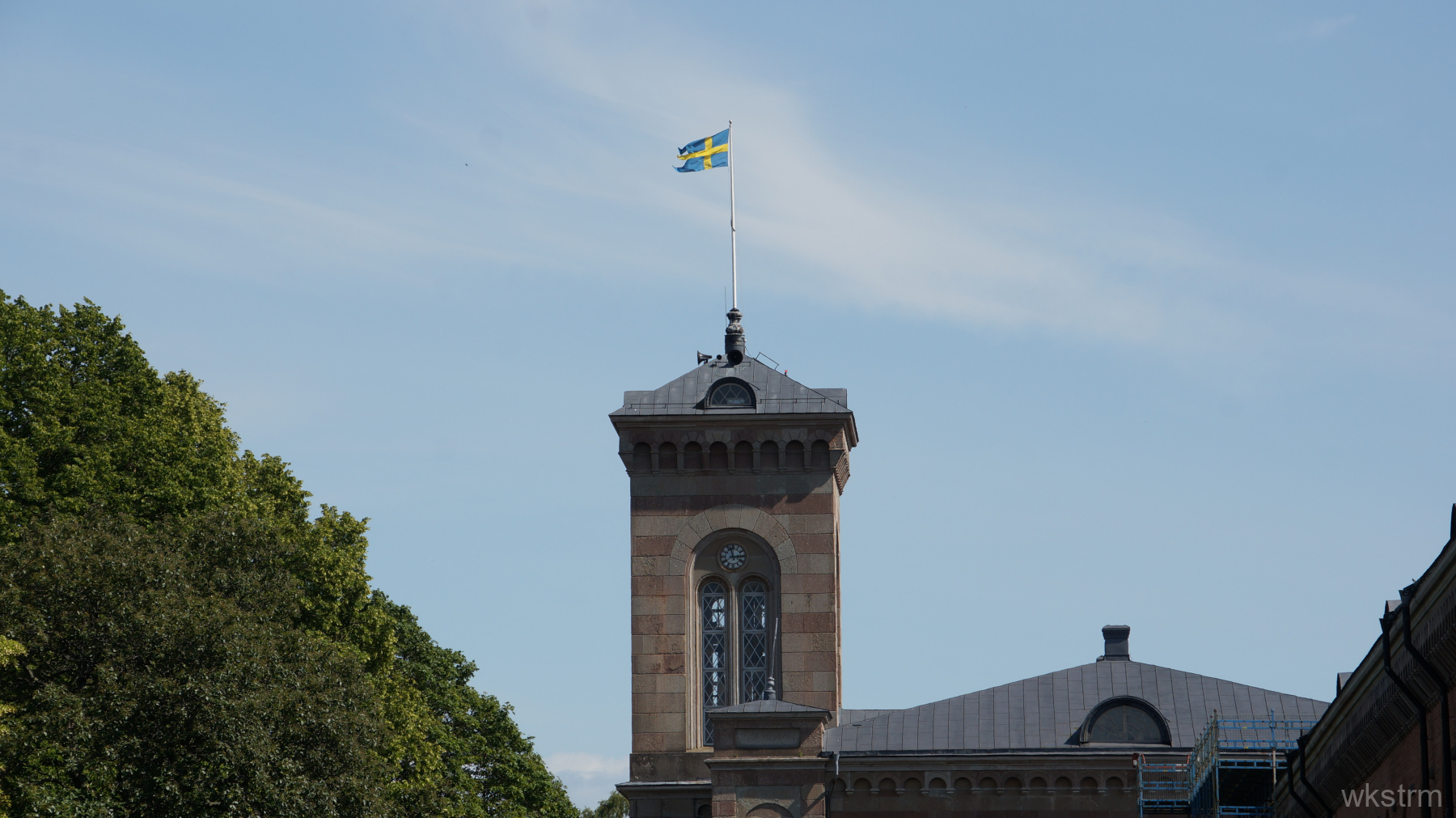
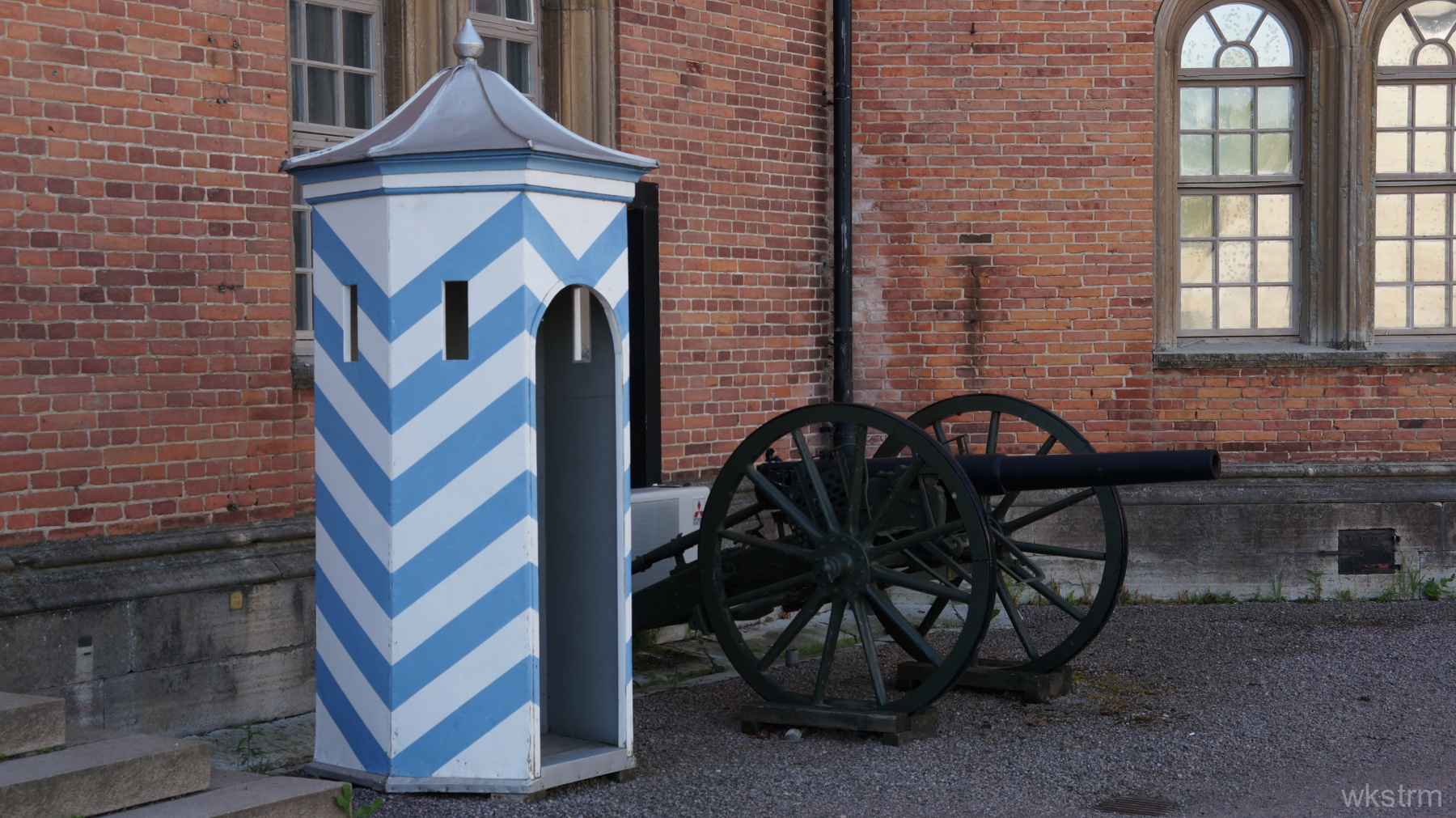
Over the years I’ve come to visit this small Swedish town couple of times per year. But never really explored it much. One day we decided to go to the garrison/fortress and check it out. We took a guided tour and the we could free roam for a while before we decided to visit the café.

Anten – Gräfsnäs (open air rail museum)

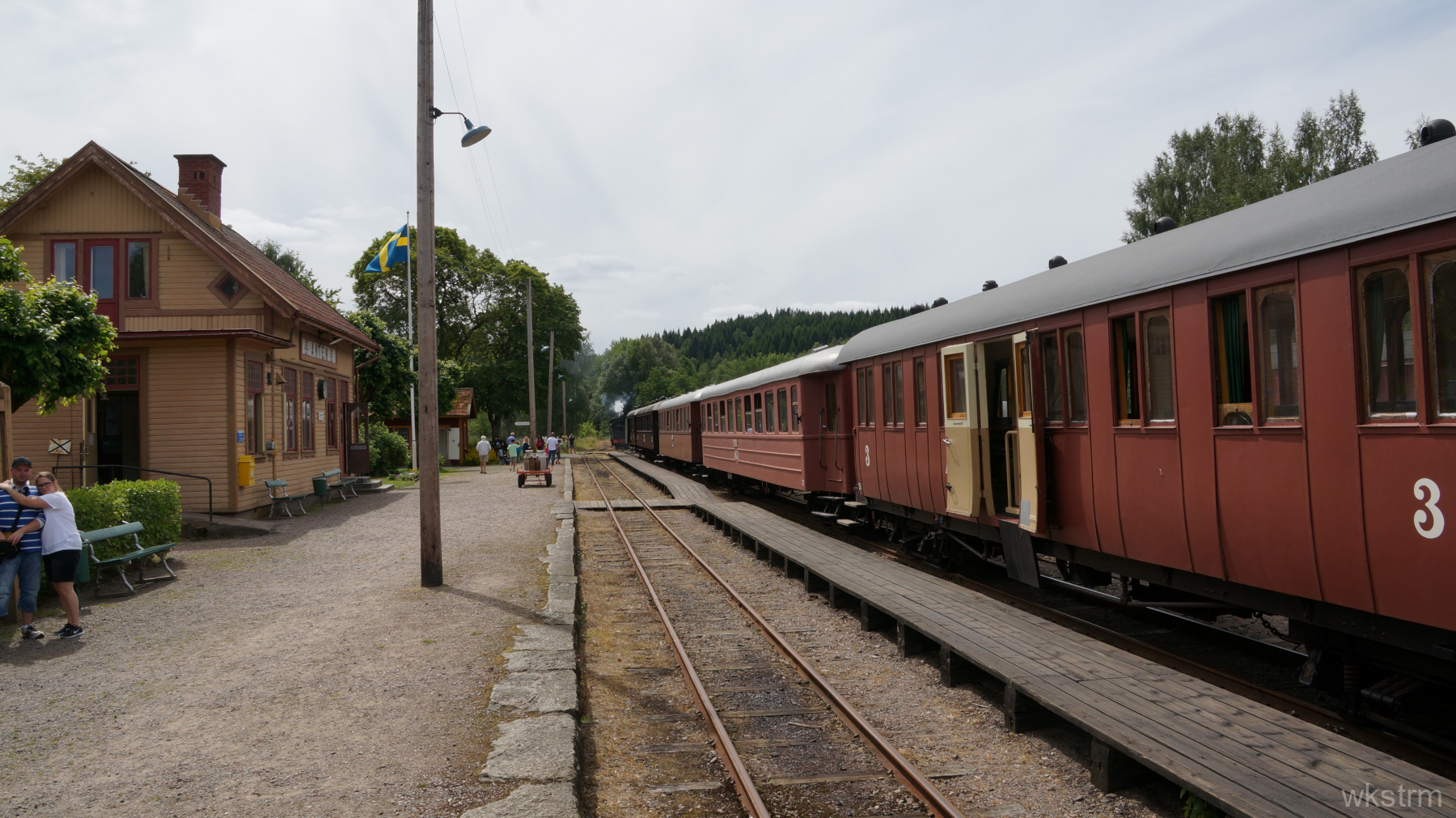
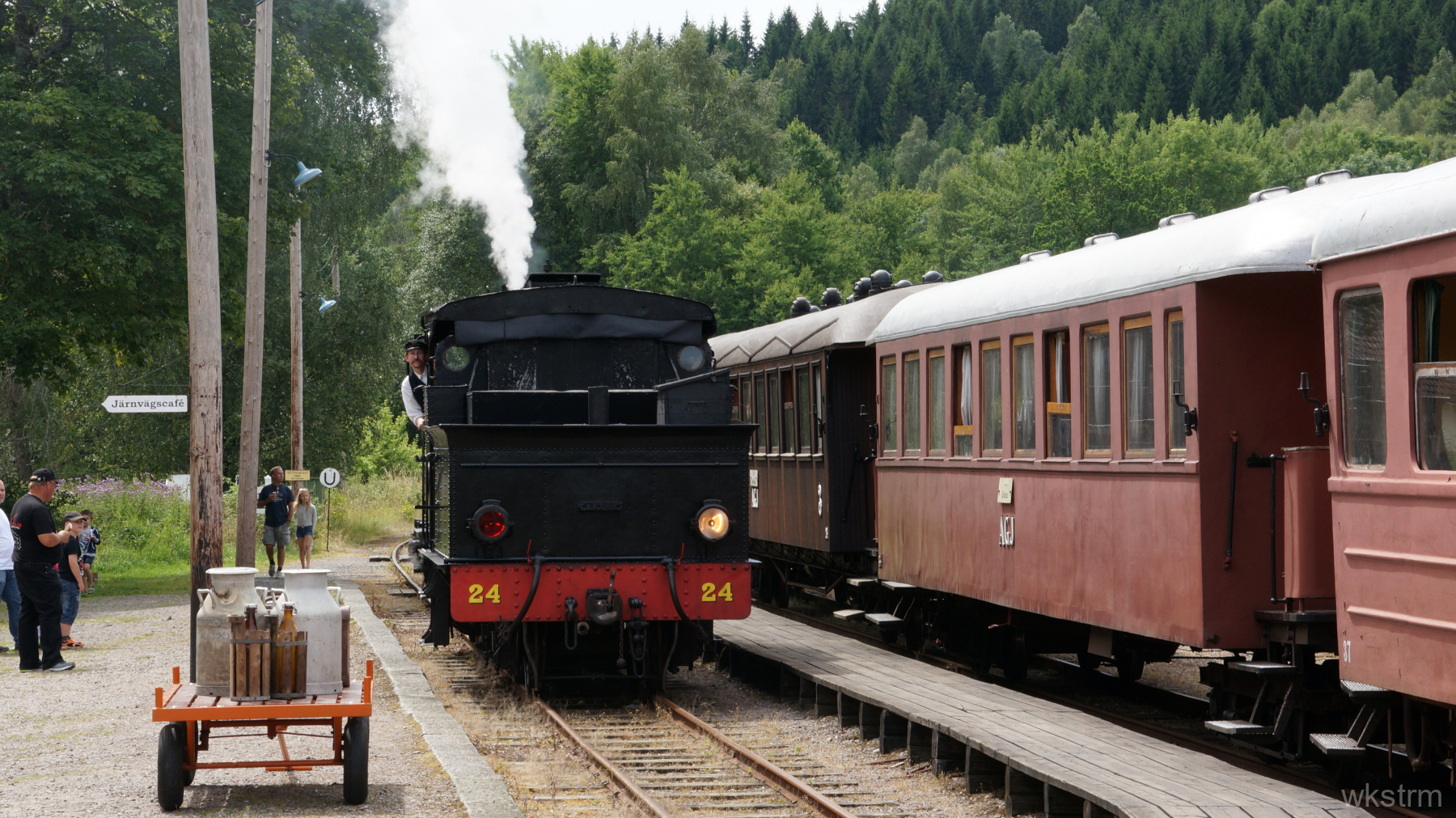
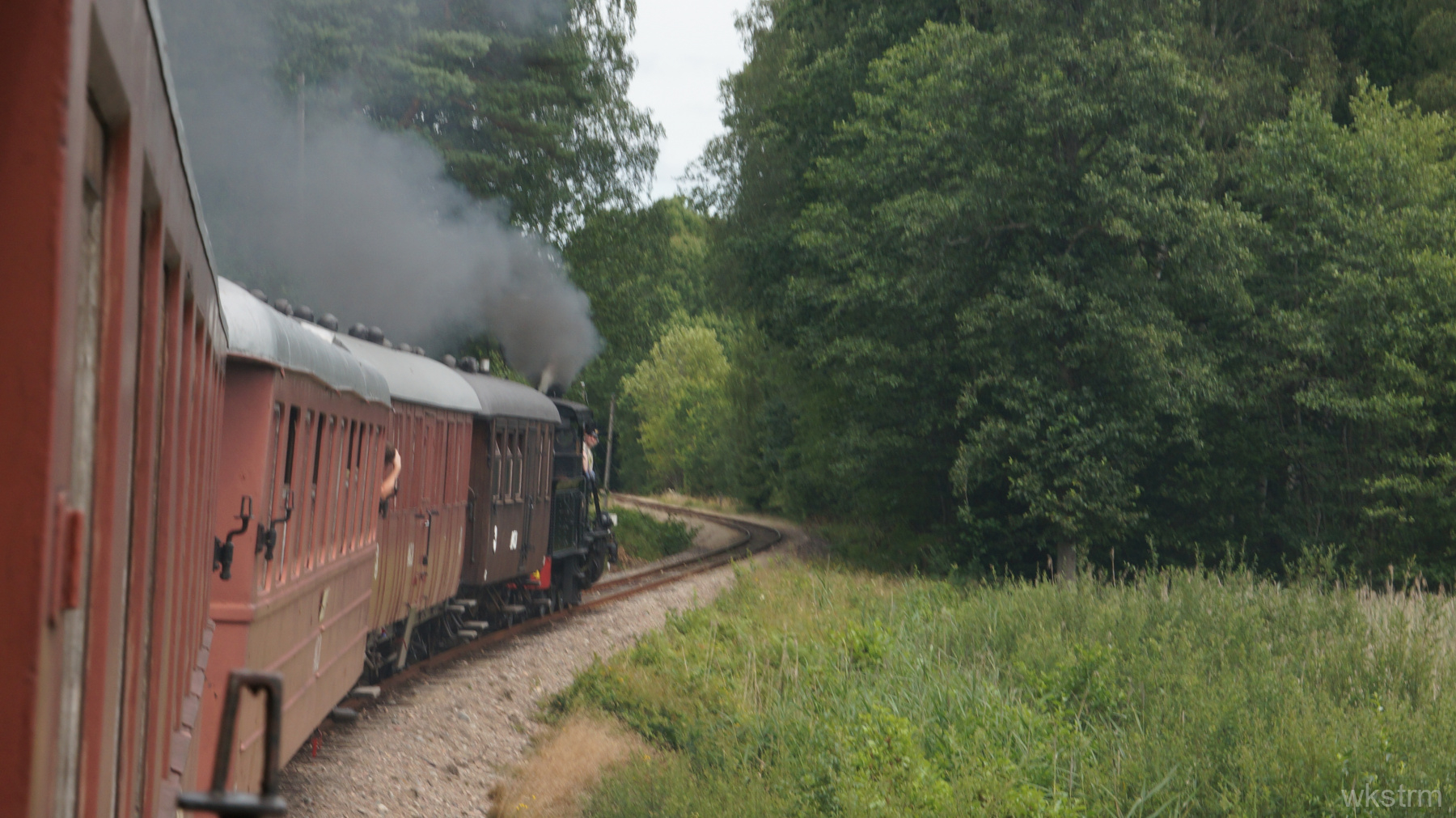
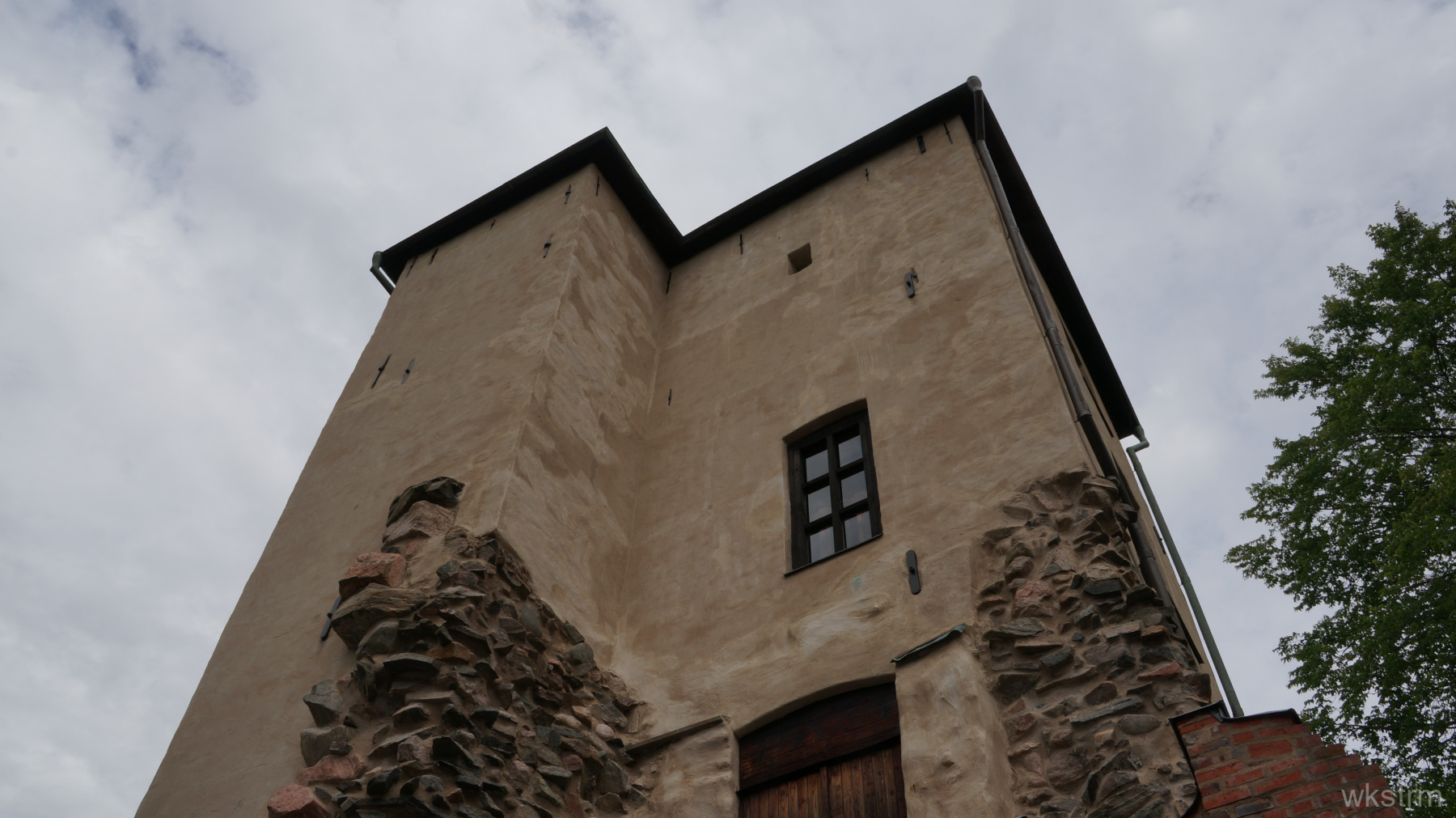
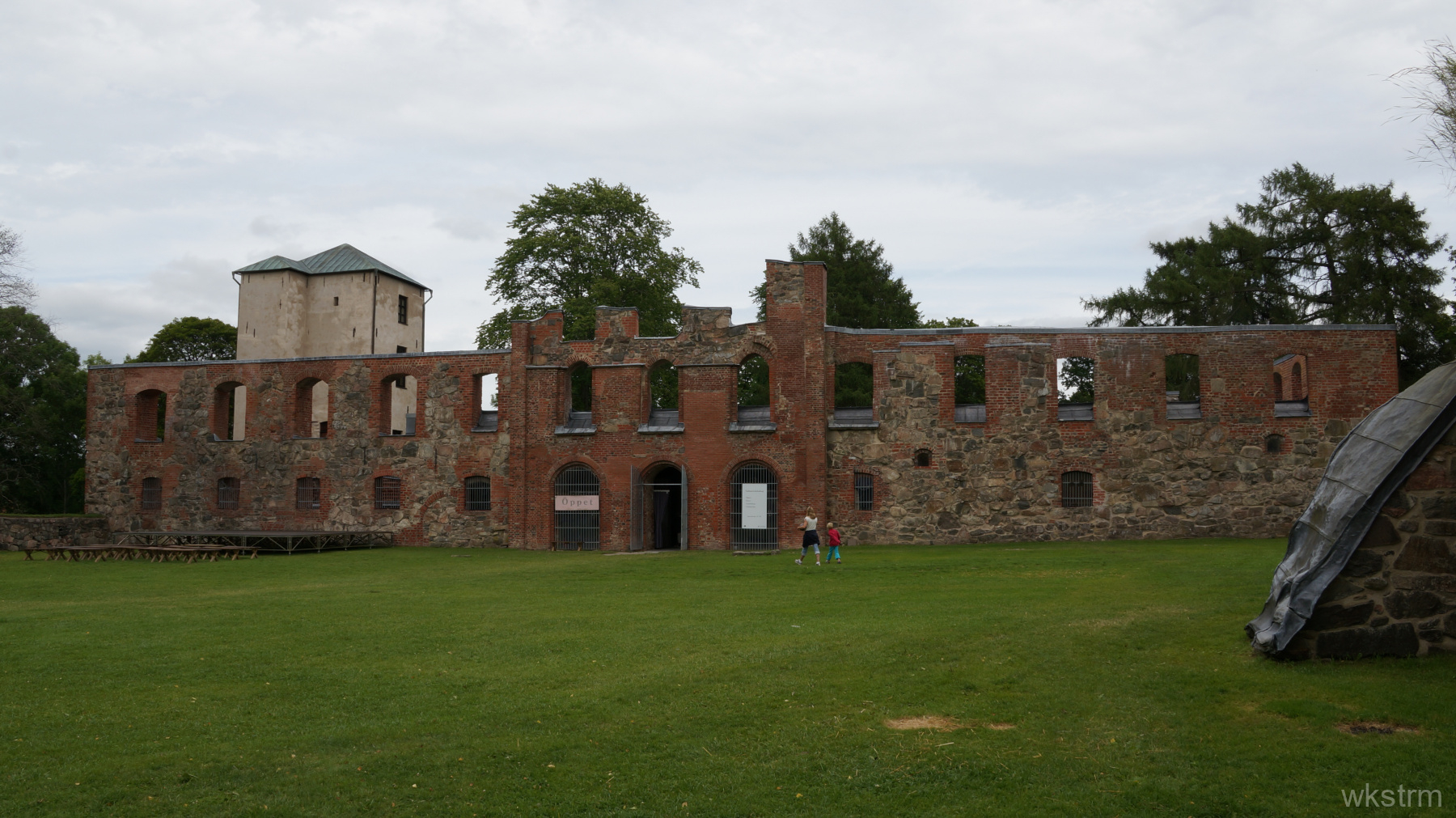
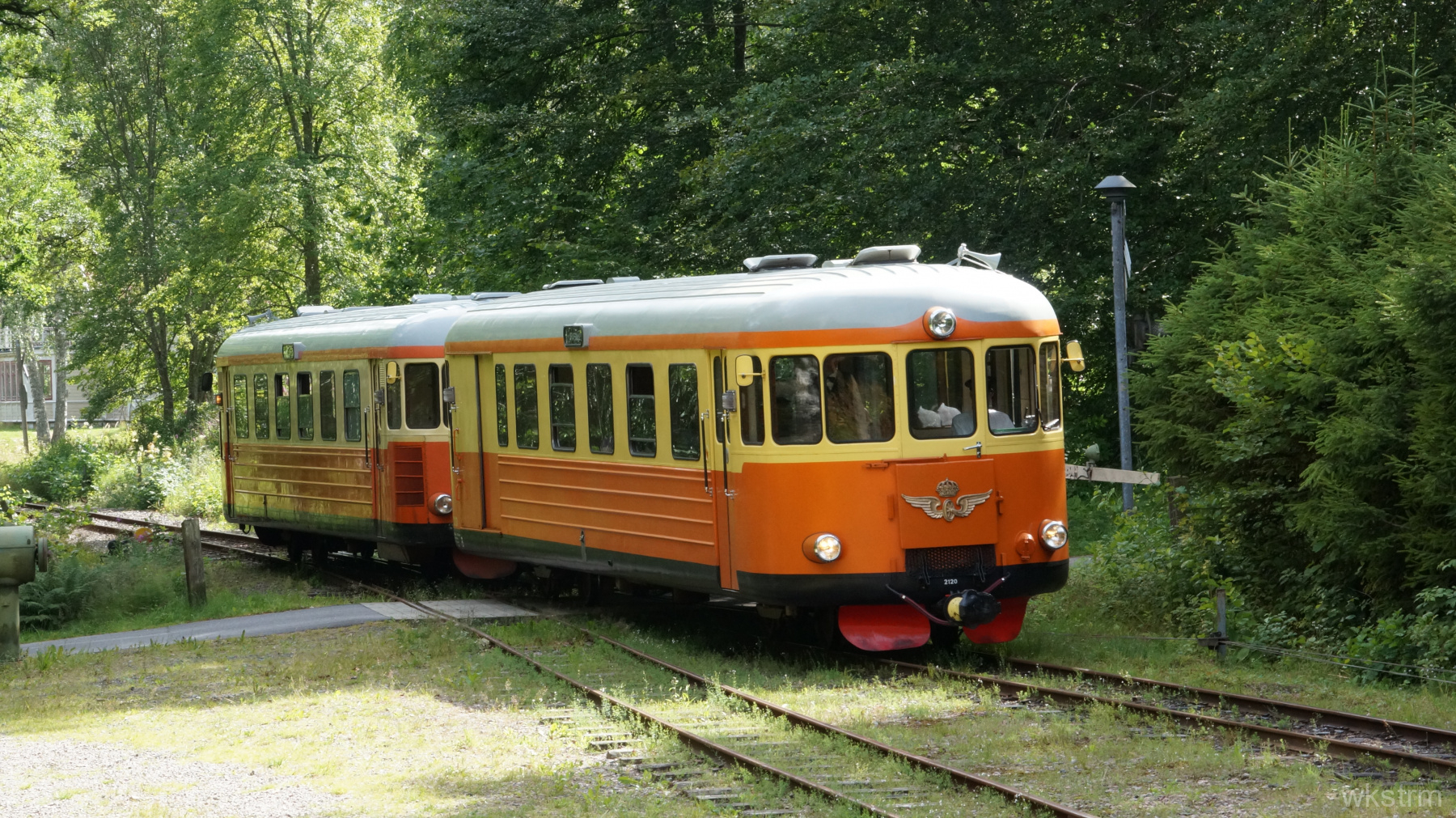
This open air railway museum I’ve visited as a child, but did not remember much from it. So we went there again. It’s a short train ride between Anten and Gräfsnäs and while you wait for the train to turn around you can take a walk in the area and visit the castle ruin, which according to legend is cursed, and that’s why it has burned down.

Läckö Castle

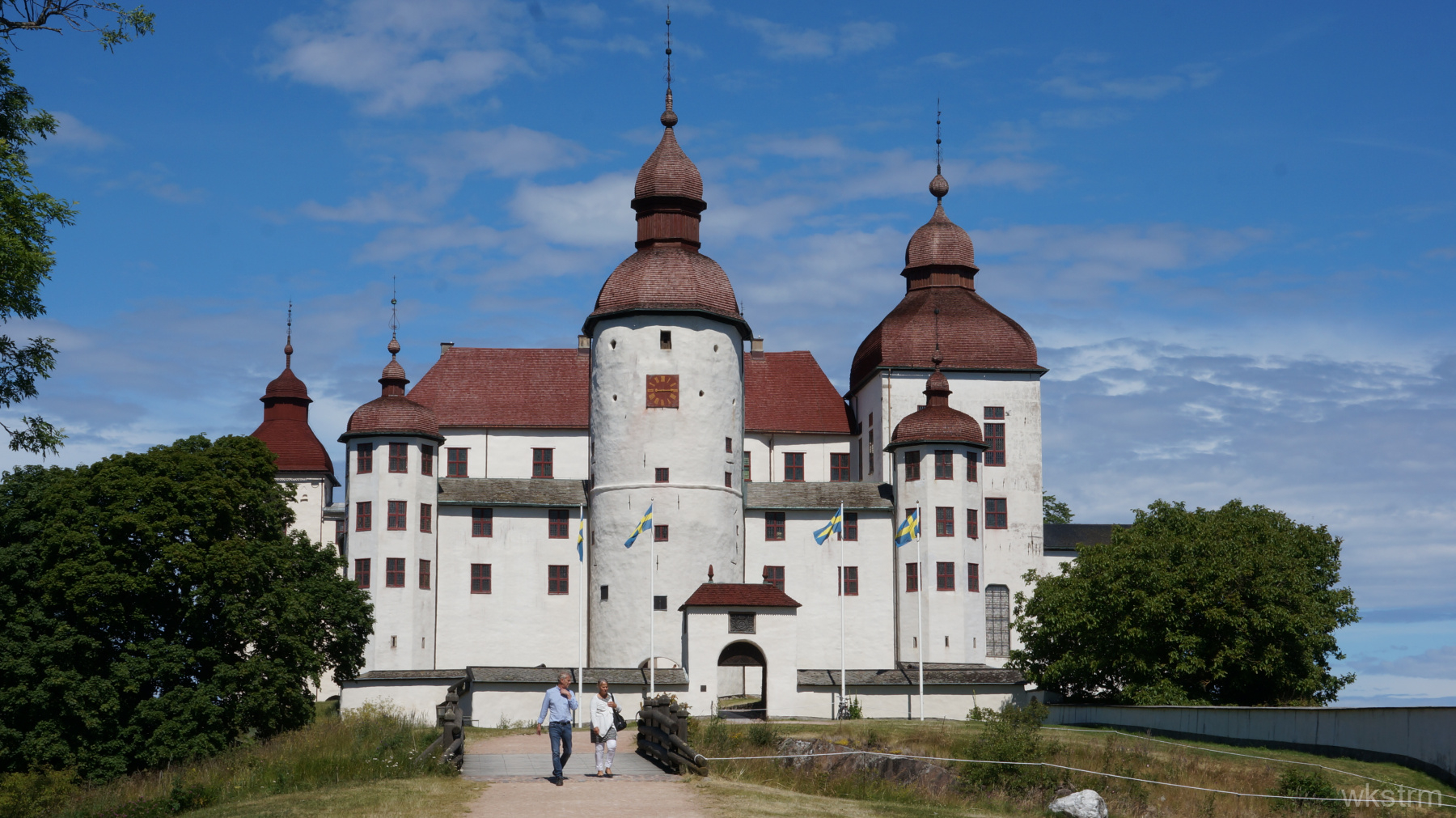
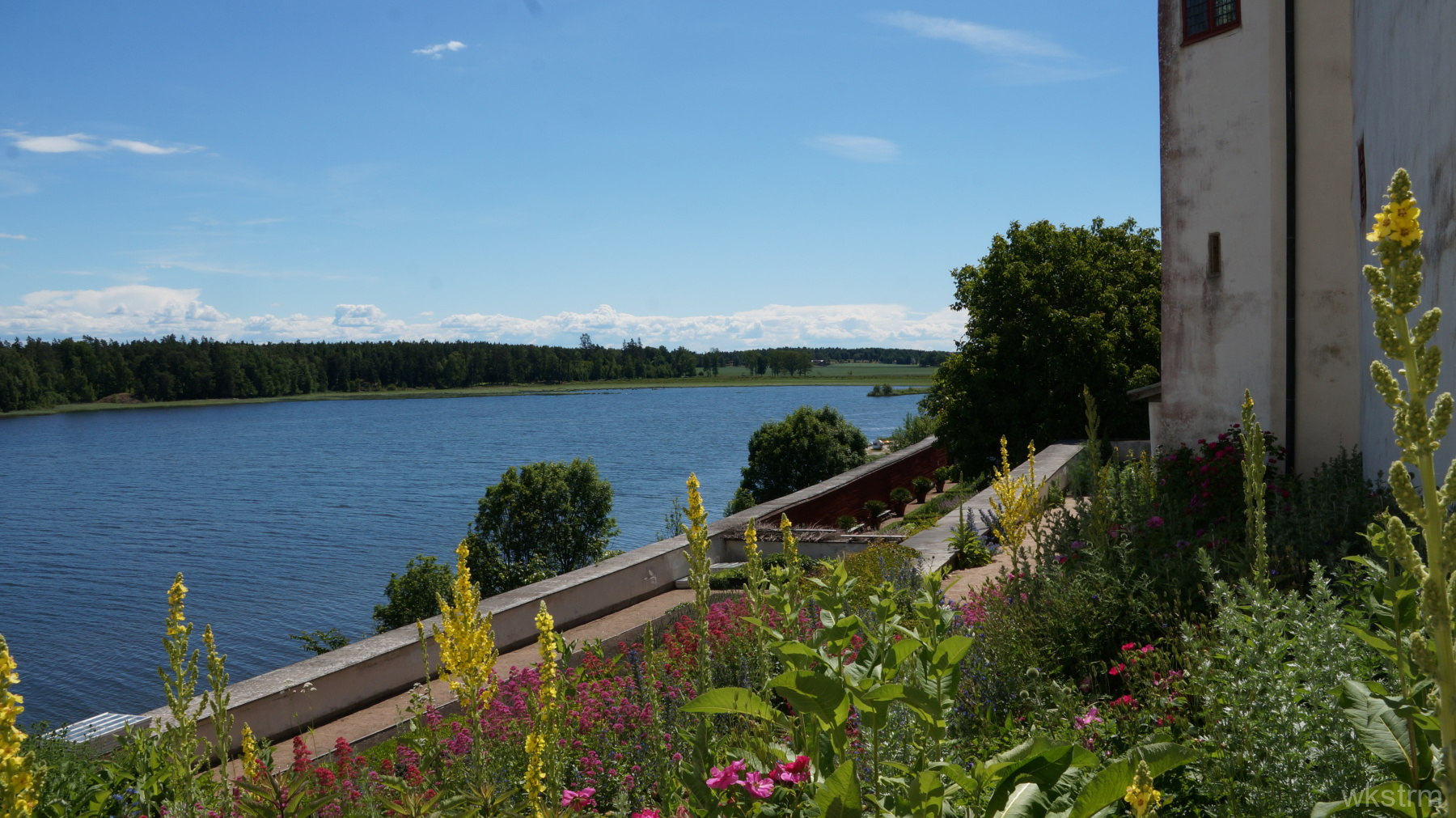
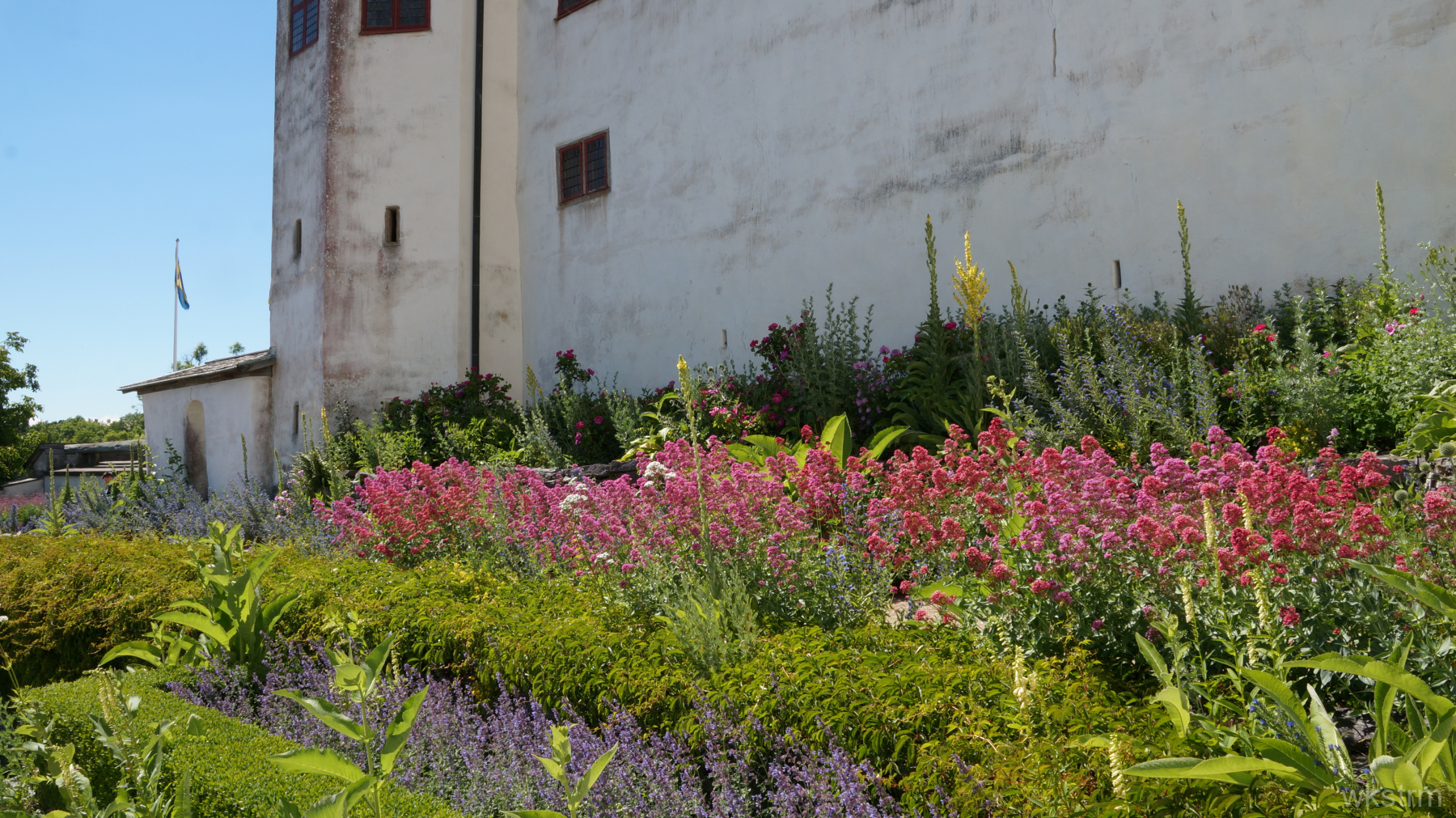
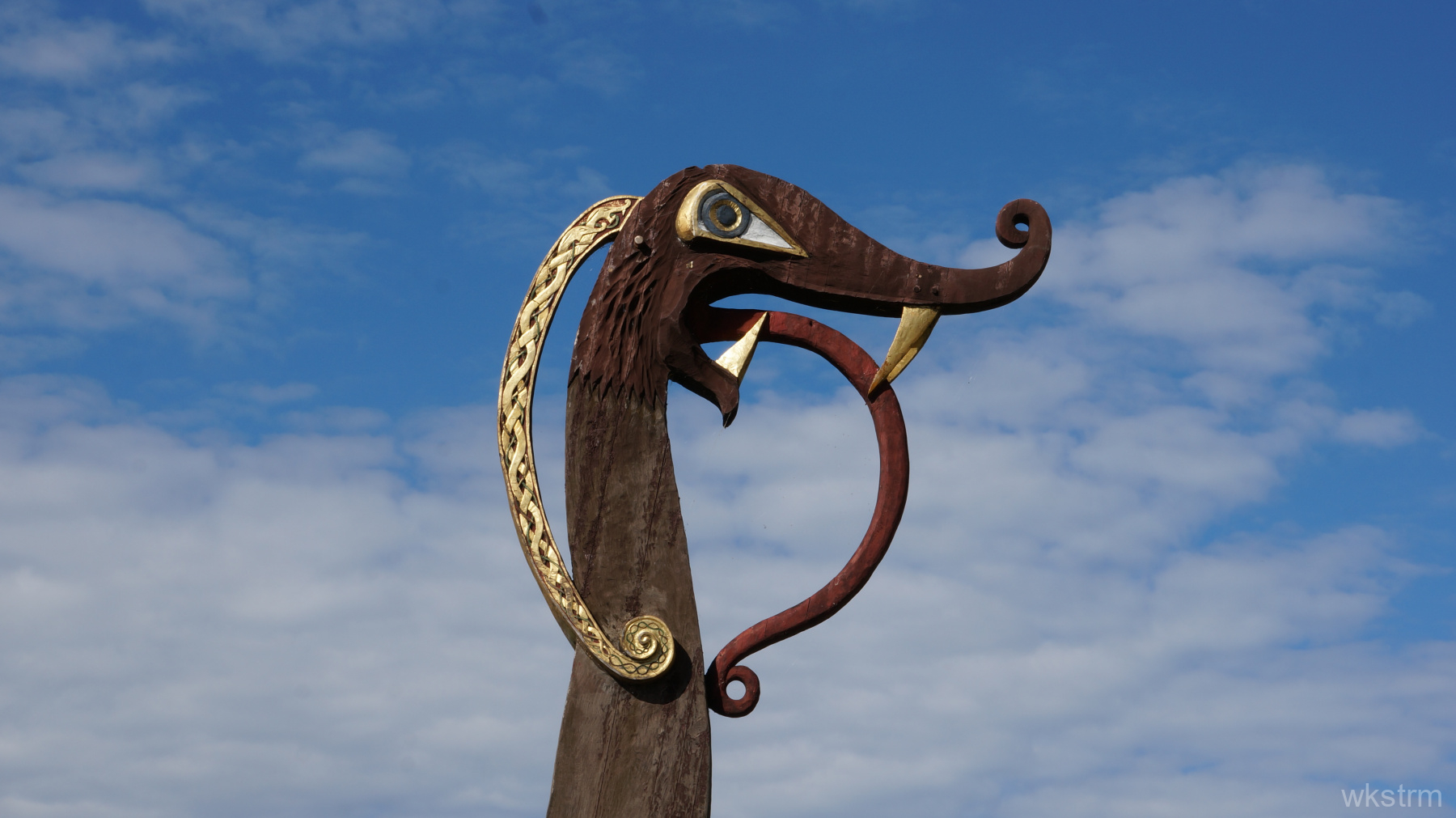
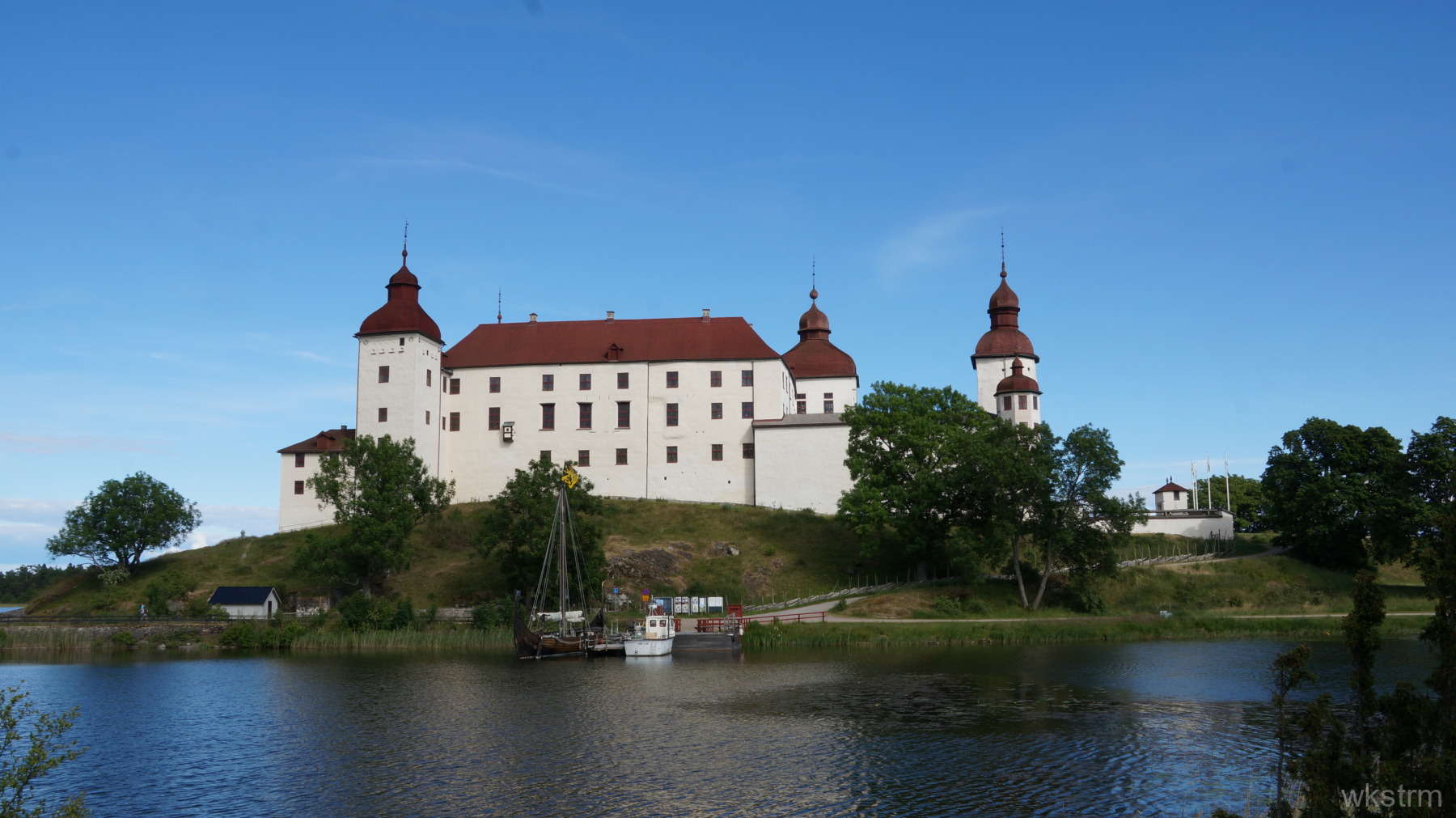
The drive north to Läckö castle from central Lidköping took about 30 minutes. We took the guided tour, walked around the surroundings, saw the viking ship Sigrid Storråda and almost stepped on a viper.